
2024-07-09
Using artificial intelligence in the work of designers and architects
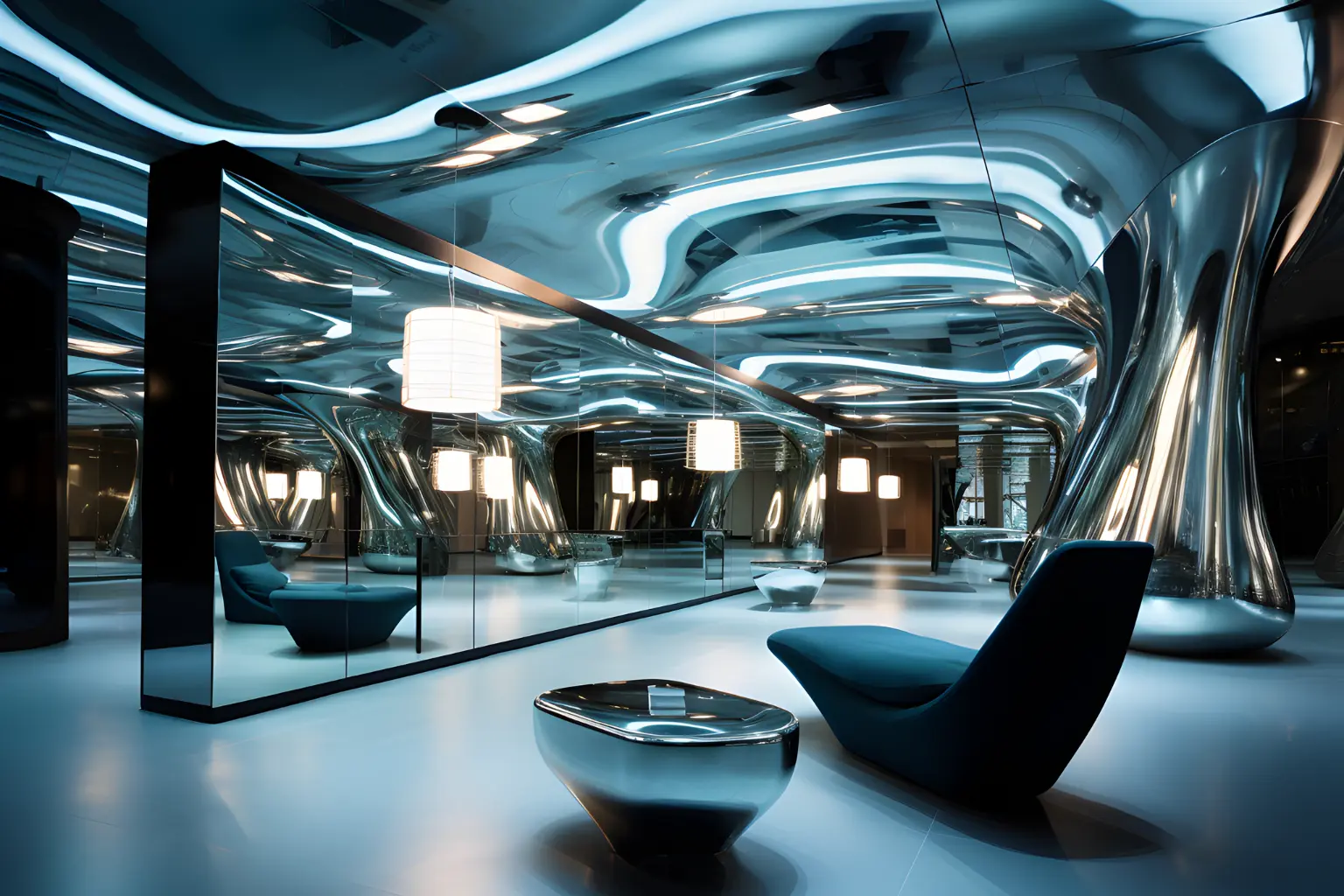
Use of Artificial Intelligence in Work of Designers and Architects
Artificial intelligence is increasingly being applied in various fields. Its rapid development has sparked rumors about the disappearance of certain professions that could easily be replaced by machine intelligence. While it cannot fully replace human thinking, AI can significantly streamline routine tasks and even serve as a source of inspiration for creativity. Architects and designers have begun working with neural networks. How can they benefit from them, and how to harness their full potential, is explained by ZIKZAK Architects team.

The variety of neural networks is enormous
These programs have become accessible to anyone interested and have, in turn, generated significant demand and attention. There are even too many of them, and a clear leader has yet to be determined. New tools or updates to existing ones are introduced every day. To approach this responsibly, one must allocate enough attention to learning about these innovations, but it can be challenging to find time for their practical application. Therefore, finding the right balance is crucial. We carefully monitor the range of tools available but only test the most powerful and relevant models for our needs.
Of course, we keep our finger on the pulse. For our purposes, we’ve identified Midjourney, Stable Diffusion, and ChatGPT. We use the first two to accelerate the visualization of our ideas for client presentations in the early stages of design, primarily when developing concepts. In a sense, these tools have replaced manual sketching, but, of course, this is only possible with a well-defined request. Additionally, these tools significantly streamline the process of creating mood boards. As for the last one, it’s incredibly useful for working with text, such as drafting technical specifications or explanatory notes for a project.
Artificial intelligence cannot replace human creative thinking and an individualized approach to each project
It is merely a tool in the hands of a skilled professional, helping with the optimization of mechanical processes. Therefore, based on our expectations and tasks regarding neural networks, we are satisfied with the results of using artificial intelligence.
Its primary advantage is speed. Previously, to illustrate an idea, one had to either draw it by hand, create a collage, or find examples of use. All three options took quite a bit of time. Now, it’s sufficient to invest time once in learning how to compose requests, and you have a fast and technically proficient illustrator at your disposal. However, this is all in the ideation stage. A neural network for detailed design has not been invented yet.
However, every model has its shortcomings. Language models sometimes make factual errors, while graphic generative models might produce oddities like hands in place of feet. But these are all temporary quirks. Each subsequent release improves upon the previous one. Even the familiar 3D modeling software didn’t initially come equipped with mechanisms for photorealistic visualization. Now, it can be challenging even for an expert to distinguish a render from a photograph.
One of the successful use cases of AI was in a creative task presentation for a tender. The team decided to showcase the concept in the format of a comic book. They crafted a script and illustrated it using generative AI. In this way, they narrated the entire story of the future space, with the main character taking a journey through it. This story and its interpretation left a strong impression on the client.
Another example involves designing offices worldwide for a company. The design of these offices adheres to the company’s brand book and positioning, but each interior must be unique, unconventional, and vibrant. Finding references for such a request during the concept formation stage is nearly impossible. Here, AI, particularly Midjourney, comes in handy. It helps recreate the boldest ideas for the future design concept and presents them to the client.
Artificial intelligence enables the personalization of design. With well-defined key requests, we can establish a consistent stylistic approach. We don’t adhere to a single design code; we tailor our work to the client’s preferences. By deeply analyzing and creating a psychological profile of the client using AI, we can align our work with their specific needs and corporate style.
There’s a common misconception that AI can be a source of creativity on its own. So far, we haven’t seen this. AI is a technical tool guided by human professionals who analyze, imagine, and set specific prompts. In other words, AI generates images and text but not ideas. AI won’t replace an architect and their ability to analyze situations, solve problems, and make decisions. Generated AI information needs thorough verification, filtering, and structuring. Neural networks are just one of the tools in modern technology that, when used effectively, can significantly optimize the work process. In a world of mass production and clichés, individuality, craftsmanship, and exclusive design with a personal touch are increasingly valued. Therefore, pragmatic machine intelligence will always be secondary to human creativity.
When using AI, our main advice is not to fixate on a single product. Look for new solutions, stay up to date, mix various AI tools when working on a project. However, don’t chase trends as they change constantly, and there are frequent updates (over 100 per week). Keep an eye on new developments, but test the best.
As we’ve mentioned before, the key to working with AI is the creative idea of a human. Progress is inevitable, and it’s better to fully harness the potential of AI without adapting entirely to it but rather adapting it to our needs.
In the future, AI won’t replace human intelligence; instead, it will enhance it, freeing up time for designers and architects to focus on more complex and creative tasks, allowing them to experiment with new ideas.