
2024-12-27
Trends in commercial interior design in 2025
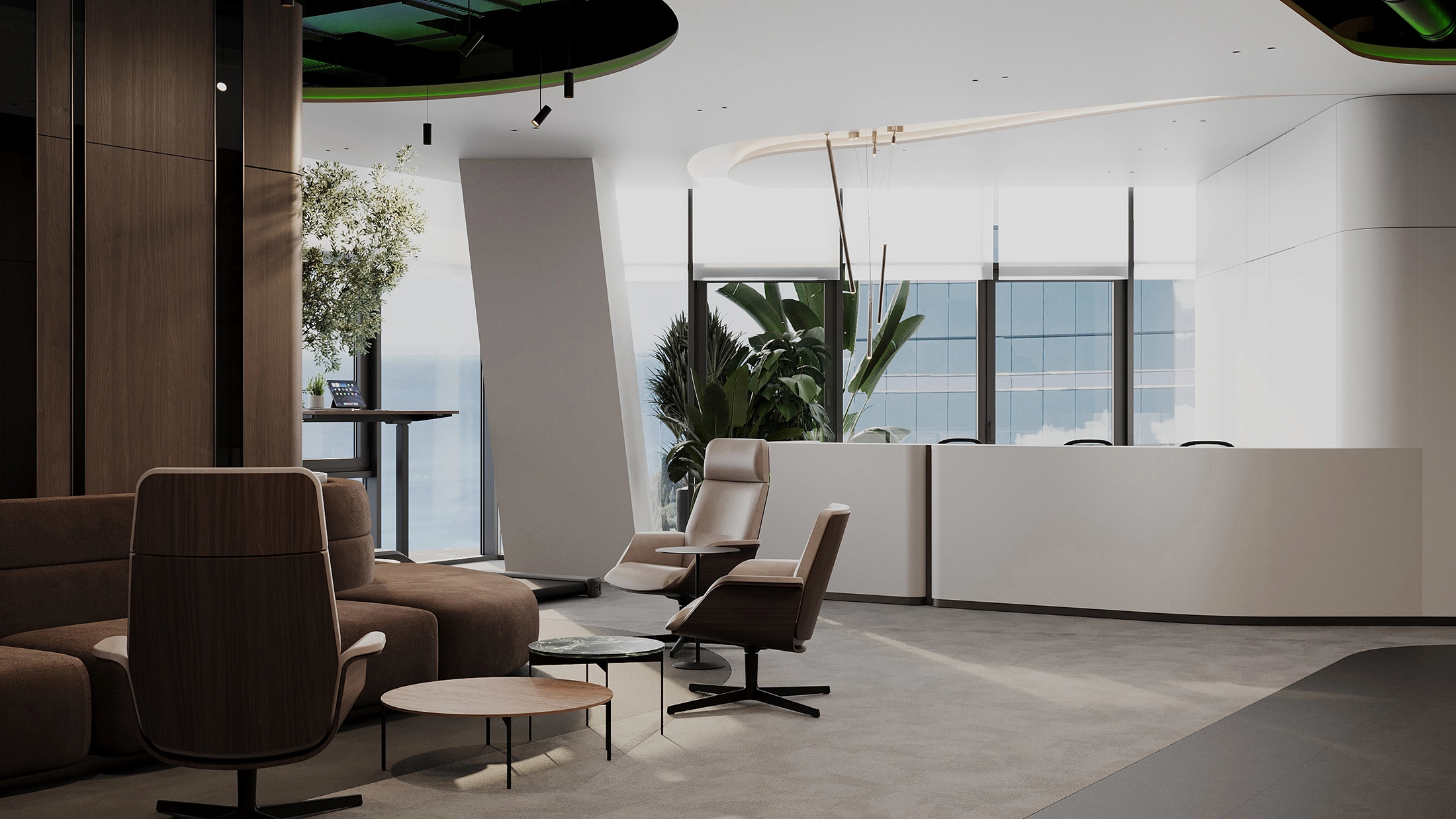
Being Human in an Era of Rapid Technological Progress and Environmental Challenges
Artificial intelligence, robots, emerging technologies that we can barely keep up with, quick dopamine hits, and frantic life rhythms – this is the current reality of humanity. In such circumstances, it’s crucial to ground oneself, take breaks, and infuse everyday life with something natural and inherently human. Interior design, meant to create comfort tailored to human needs, takes this aspect into account. Therefore, the global trend for this and coming years is to bring in individual creativity, provide an escape and detox from technology overload, and create balance.
Alesia Karnaukhova, CEO of ZIKZAK Architects, shares key interior design trends for 2025, which will shape the philosophy of space.

Consumer needs and expectations set the corresponding textures, materials, and colors for residential and commercial interiors. Let’s highlight four main aesthetic directions that will significantly influence interior design this year.
Balance Between Nature and Advanced Technologies
This is about the harmonious coexistence of humans and technologies. It involves a relevant reinterpretation of our world and spaces to find balance between them. Curiosity drives exploration beyond traditional boundaries, expanding into previously uncharted territories.
With technological development, the merging of physical and digital worlds initiates a new era of design innovations. Contemporary design contributes to solving environmental challenges and enhances authentic self-expression – creativity.
Key characteristics of the direction:
- Introduction of eco-friendly materials from secondary raw materials – recycled glass and plastic. 3D textile printing demonstrates the connection between digital technologies and traditional production.
- Transparent materials and light-reflecting metallic surfaces. Matte glass and acrylic furniture are trending. Glass blocks and stained glass are gaining immense popularity.
- Combining soft pastel shades with bright accents, in contrast to futuristic dark tones. Bright shades are a statement in the interior. Neutral tones are used for large surfaces, walls, and floors to balance the overall look and allow accents to shine.
- Floors with dynamic design: smooth shapes, color gradients, metallic inclusions.
This aesthetic direction is ideal for innovative and creative environments – offices, hotels.

Key characteristics:
- Luxurious textures: plush velvet, fluffy materials.
- Playful forms with unexpected proportions.
- Deep saturated colors combined with neutral tones to balance sensory impact.
- Sensual soft flooring with deep volumetric textures that practically beg to be touched, to feel their structure and softness.
Perfectly suited for hotel, restaurant, and commercial space interiors, providing unforgettable experiences.
Key characteristics:
- Traditional forms made from quality materials, but in a new interpretation: unexpected sizes and textures.
- Wavy lines, organic and sculptural forms to create a sense of dynamics and depth.
- Whimsical decor that adds individuality, breathing new life into recycled or reused elements.
- Timeless neutral minimalist shades, universal and calming.
- Minimalist aesthetics where forms, concise patterns, and textures provide a special character.
An excellent way to express individual identity in residential spaces and reflect brand identity in offices, flagship stores, and hotels.

Return to Origins and Folk Crafts
Honoring authenticity and craftsmanship with their imperfect forms and natural materials. Folklore emphasizes community values and the skill of local producers, focusing on returning to roots. This is a deep immersion into authenticity, where each interior item has its unique story and soul. It’s an appeal to restore human connection with the creation process, bringing back the value of handmade work and individuality in the era of mass production.
Key characteristics:
- Natural materials with organic qualities: raw clay and wood, forged elements, hand-woven textiles, artisan ceramics.
- Intentional use of raw edges, the charm of unique imperfection, asymmetry, minimal processing.
- Neutral and calm tones inspired by natural pigments.
- Ornaments, patterns, and textures inspired by natural motifs: leaves, bark, moss, straw.
- Flooring with visible seams, uneven coloring, rough textures in a rustic style.
Perfectly suited for homes, cafes, shops, and recreational spaces.

We’ve covered 4 macro-trends that set and will continue to set the vector of development for the entire design industry, shaping not just aesthetic preferences, but the entire philosophy of living space. Micro-trends emerge from these macro-trends. For example, the revival of soft floor coverings. During Milan Design Week, carpets and carpet coverings were presented in numerous exhibition spaces. They were not only placed on the floor but also creatively demonstrated as wall decorations and works of art. Each micro-trend is a practical embodiment of global changes in human understanding of comfort, responsibility, and beauty.
The trends respond to the fundamental needs of modern humans: the pursuit of balance, the search for emotional shelter, the desire to live consciously and feel connected to one’s roots. It’s important to understand that these are not just aesthetic preferences, but a reflection of deeper social processes and lifestyle changes.
Interior design in 2025 is a manifesto of a modern person seeking to find their path between technological progress and environmental responsibility, between global digitalization and the need for authenticity, between the speed of change and the desire to create something long-lasting. And it is in this balance that a new image of space is born – a space where it feels comfortable to be human.