
2021-08-30
Meeting spaces that every office space should have
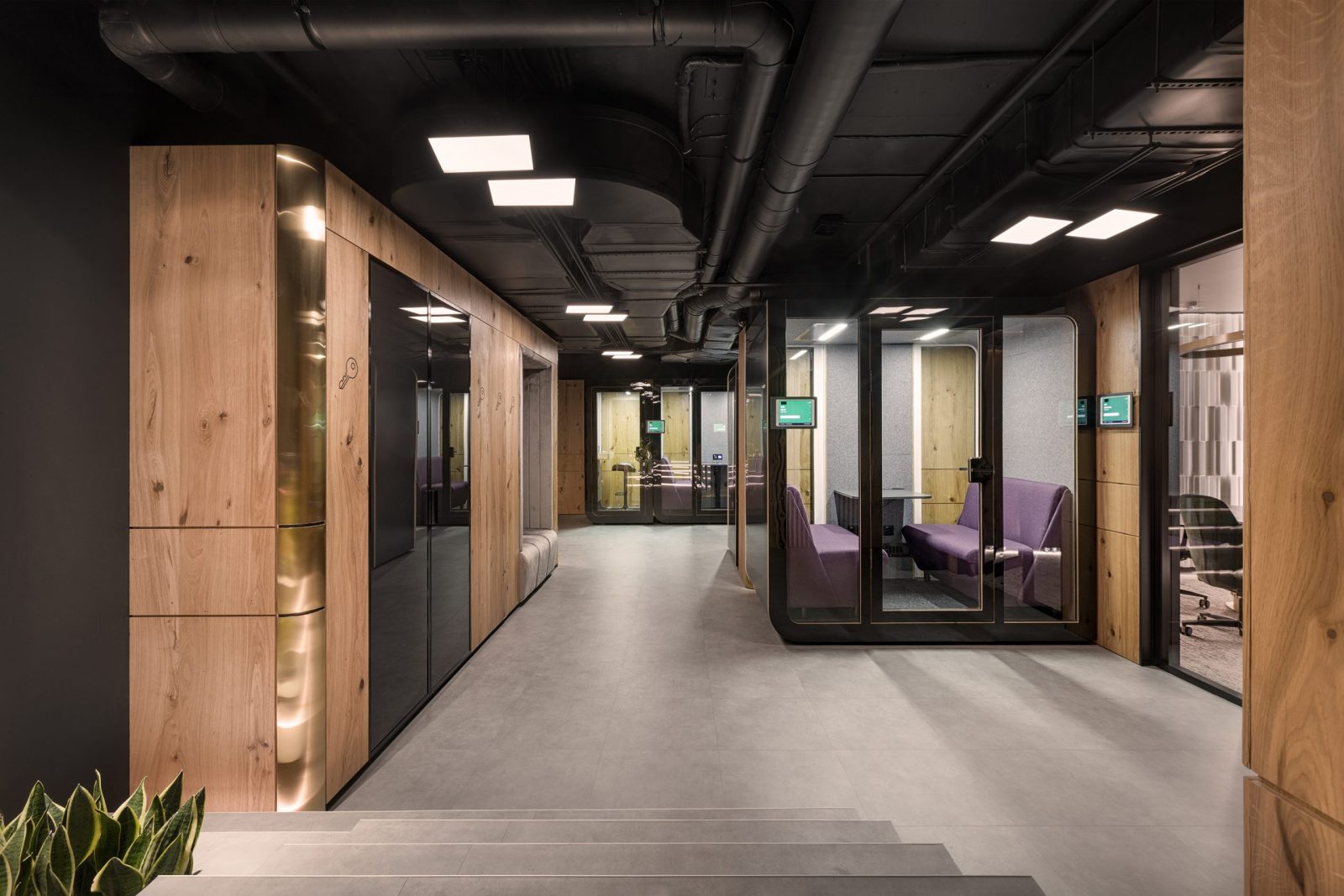
In a working world with an increasing focus on open floor layouts, negotiation spaces remain some of the last remaining places for a private, productive meeting. Therefore, it is very important to think over their design, format and function correctly.
Details to keep in mind include size, location, acoustics, audiovisual technology and even color. At the end of the day, if all of these elements together can increase the productivity of your employees by a few points, it’s probably worth it.
Before we dive into the details, let’s take a look at the different types of meeting spaces that exist in modern offices today.
Phone booth
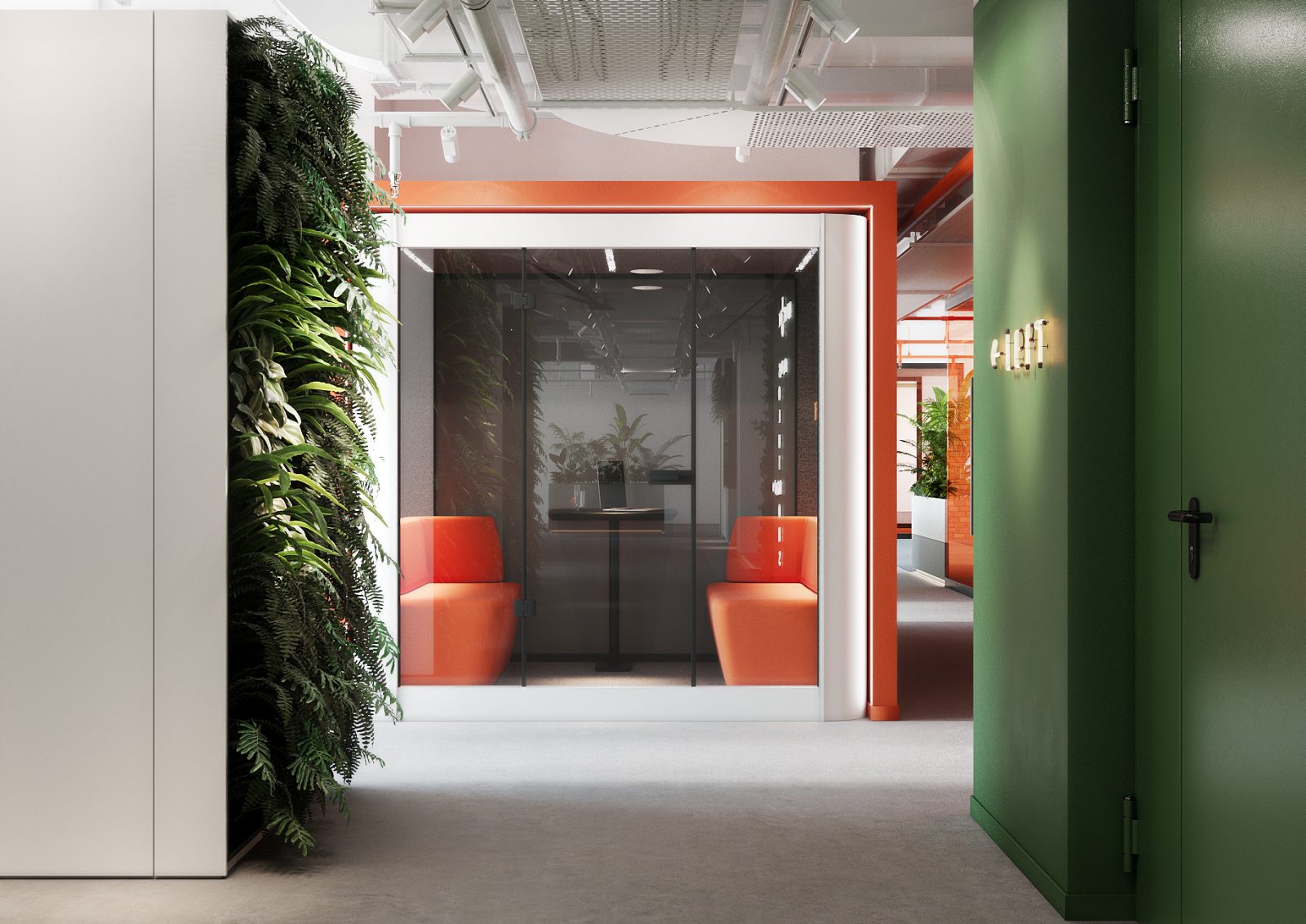
Phone Booth is a great place for phone calls or ZOOM conferences. These small soundproofed rooms are designed for 1-2 people, and for a comfortable stay they are equipped with a table with a sofa or chairs.
Space for stand-up or brainstorming
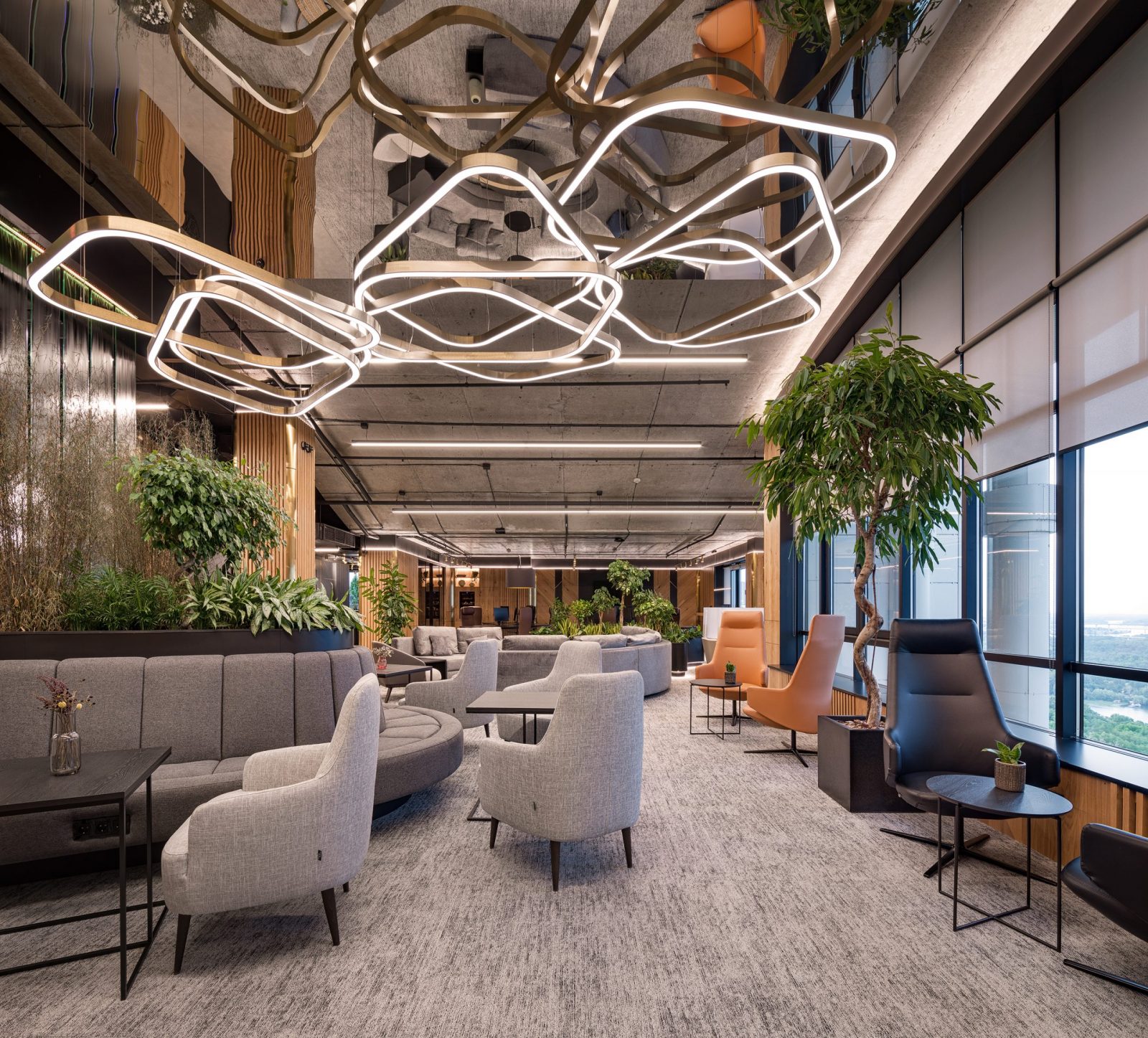
This isn’t technically a meeting room, but it’s a place in your office that’s perfect for quickly syncing a team, talking to a customer, or making a phone call. Equipped with sofas, plush armchairs and one or two coffee tables, these spaces are a great way to build collaboration and communication without building walls. Ideally, they should be located away from the central area of your company so as not to interfere with the main workflow.
The meeting room
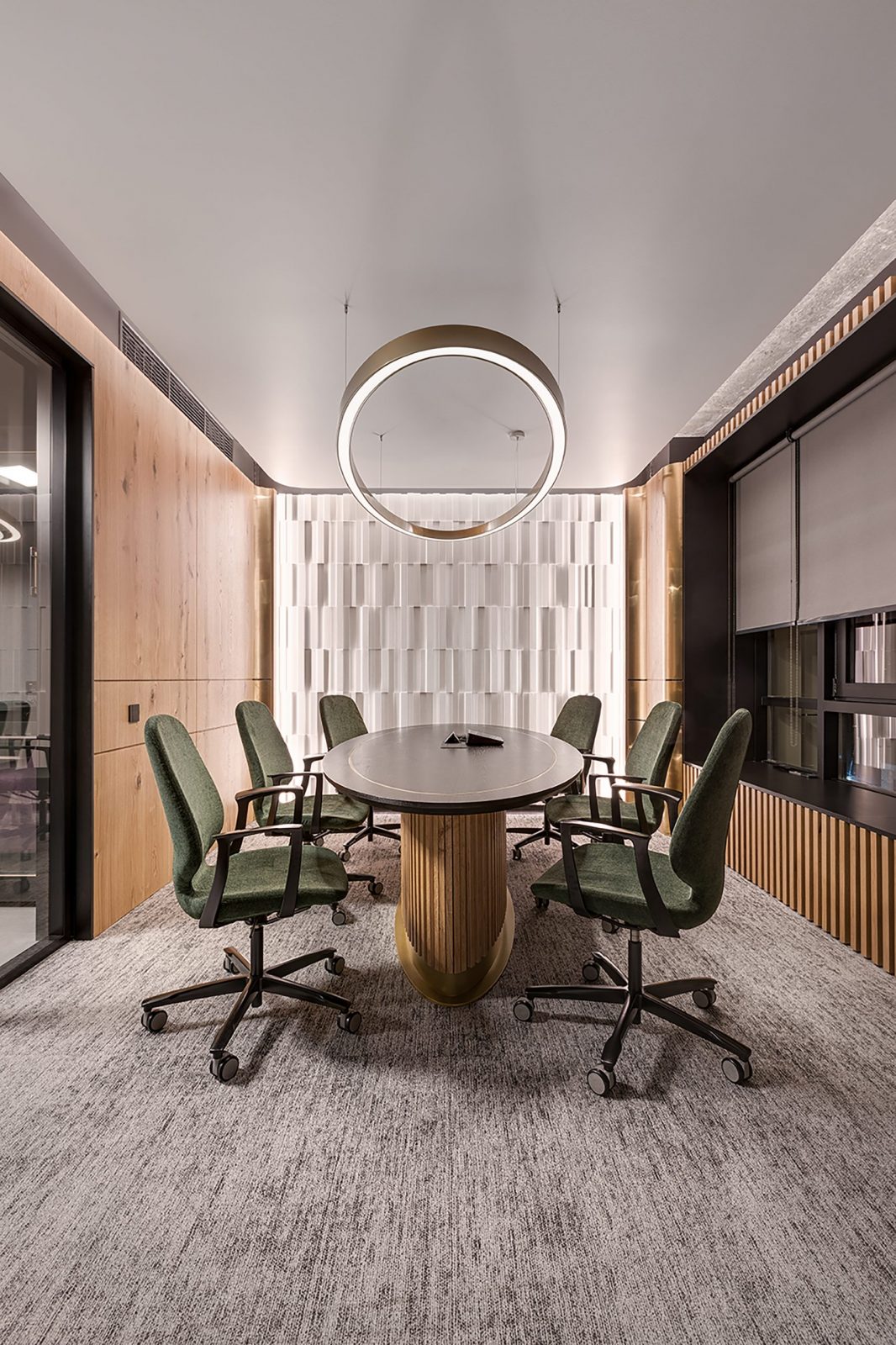
Typically sized rooms for 2-6 people are perfect for 1: 1 meetings, small conference calls and special work sessions. A meeting room is usually equipped with a round or small rectangular table, comfortable armchairs, a TV set, and an acoustic system.
Conference halls
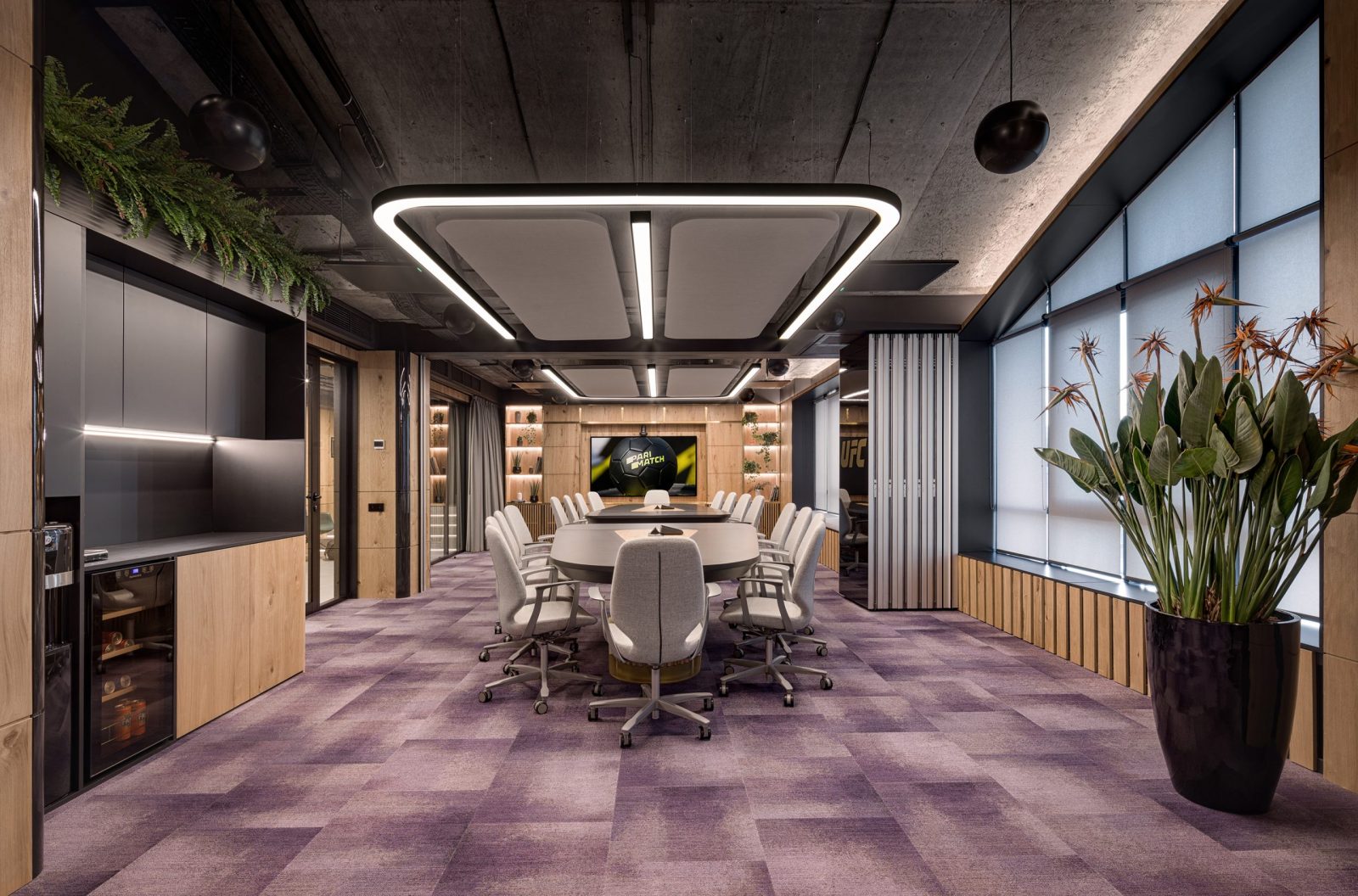
They are designed for the main event: important meetings with clients or boards of directors, department meetings, and other joint sessions. They are designed for 10-20 people and are likely to involve more planning effort than other spaces. Often, conference rooms need to be equipped with a large table, comfortable armchairs, a professional sound system and even a coffee point with a sofa.
Technologies you need for productive meetings
In conference rooms and other meeting areas, acoustic comfort plays an important role. Often, acoustic flooring and wall / ceiling panels made of wood, cotton and sound absorbing fabric are used to create acoustic comfort.
Think of that meeting when the conversation sounded like the speaker was in an echo chamber; the right acoustic comfort will solve 80% of this problem.
Today, a necessary option in offices is booking technology. She will help each employee to reserve rooms at the touch of a button, or at least find another time when she will be free.
Design Tips for Designing Meeting Areas
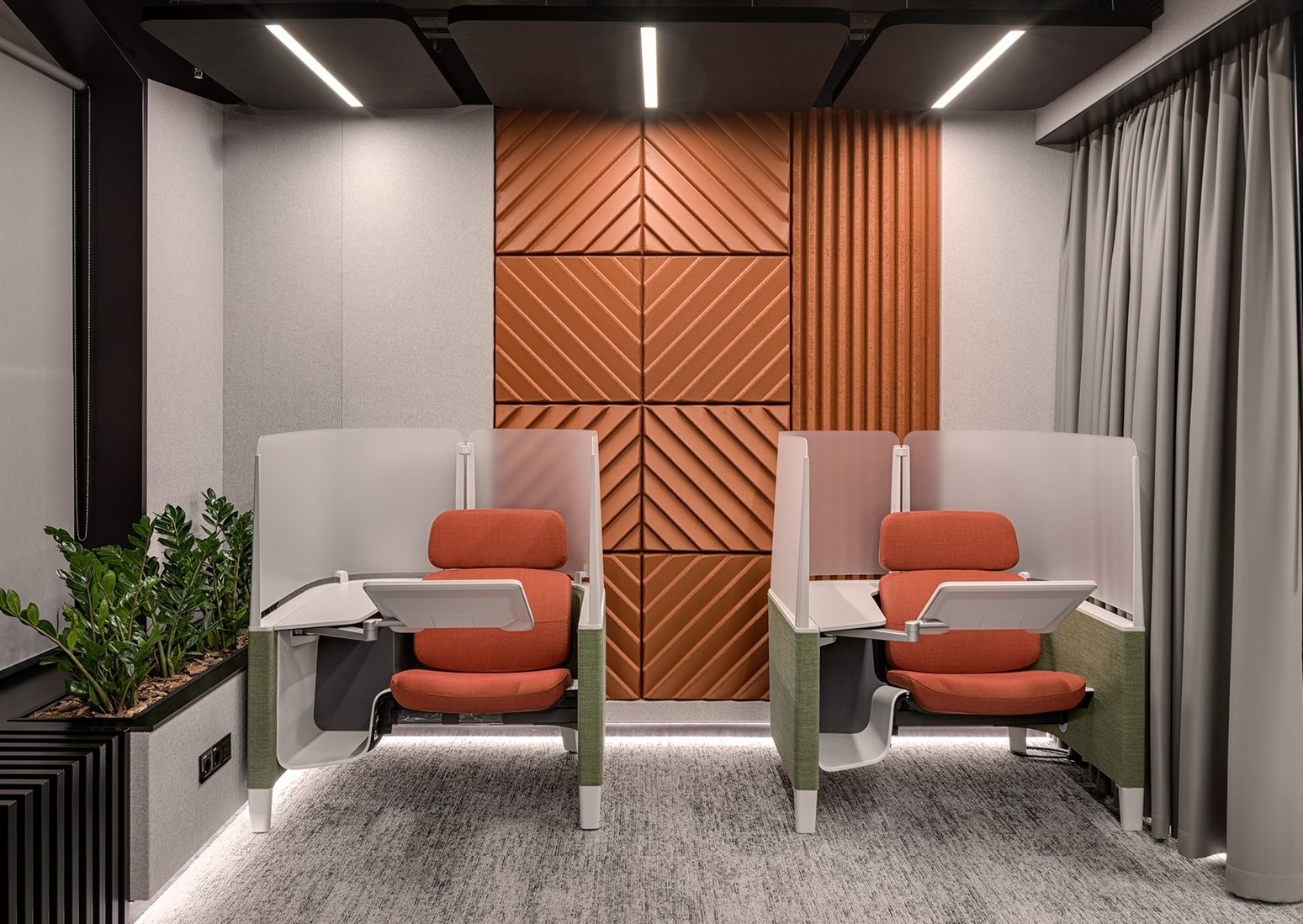
It is important for modern meeting rooms that they reflect the goals and values of the company, as well as create an environment that balances comfort and efficiency. Remember, whatever specific purpose these rooms are for, productivity should be the main theme.
These areas should be attractive, but not intrusive or distracting. Consider warm wall tones and soft lighting for small rooms and brighter tones and lighting for large rooms.
There is another factor to consider when designing meeting areas – furniture.
Well suited for these areas: ergonomic chairs, sturdy tables that are designed to last for years, and places to rest (if necessary), because these areas serve for many hours of meetings.