2021-08-30
How to reveal the uniqueness of a brand in the interior

Today’s successful companies strive to make their brand unique in every detail. Today it is not enough to create a website where the company logo will be displayed and corporate colors will prevail.
Nowadays even the interiors of office premises, areas for negotiations with partners and spaces for meetings with potential clients should reflect the overall concept of the brand. What techniques are used by designers when decorating the interior of these rooms.
Ways to reveal brand uniqueness in interiors
To reveal the general style and uniqueness of the brand in the interiors of corporate spaces, methods can be used that include:
- application of corporate colors,
- the use of geometric shapes,
- associated with a specific brand, the appearance of the brand archetype in the interiors.
Each technique has its own characteristics, but can work effectively with virtually any brand. Only qualified designers know how to make the space both stylish, comfortable and reflect the company’s concept.

Corporate colors in the interior
The use of corporate colors is the most common method for revealing brand uniqueness in interiors. Even novice designers can use it. Brand colors should prevail in the premises (in the case of rather restrained shades) or be accents (if the colors are bright). If the company has restrained pastel brand colors, then with the help of paint in identical colors, the walls of the premises can be decorated.
If the main color of the brand belongs to the category of “flashy”, then its point use is important. Bright hues can be found in furniture, paintings, table accessories, chandeliers, etc. In the latter case, the main point is the metered use of catchy colors, otherwise the interior will be uncomfortable.
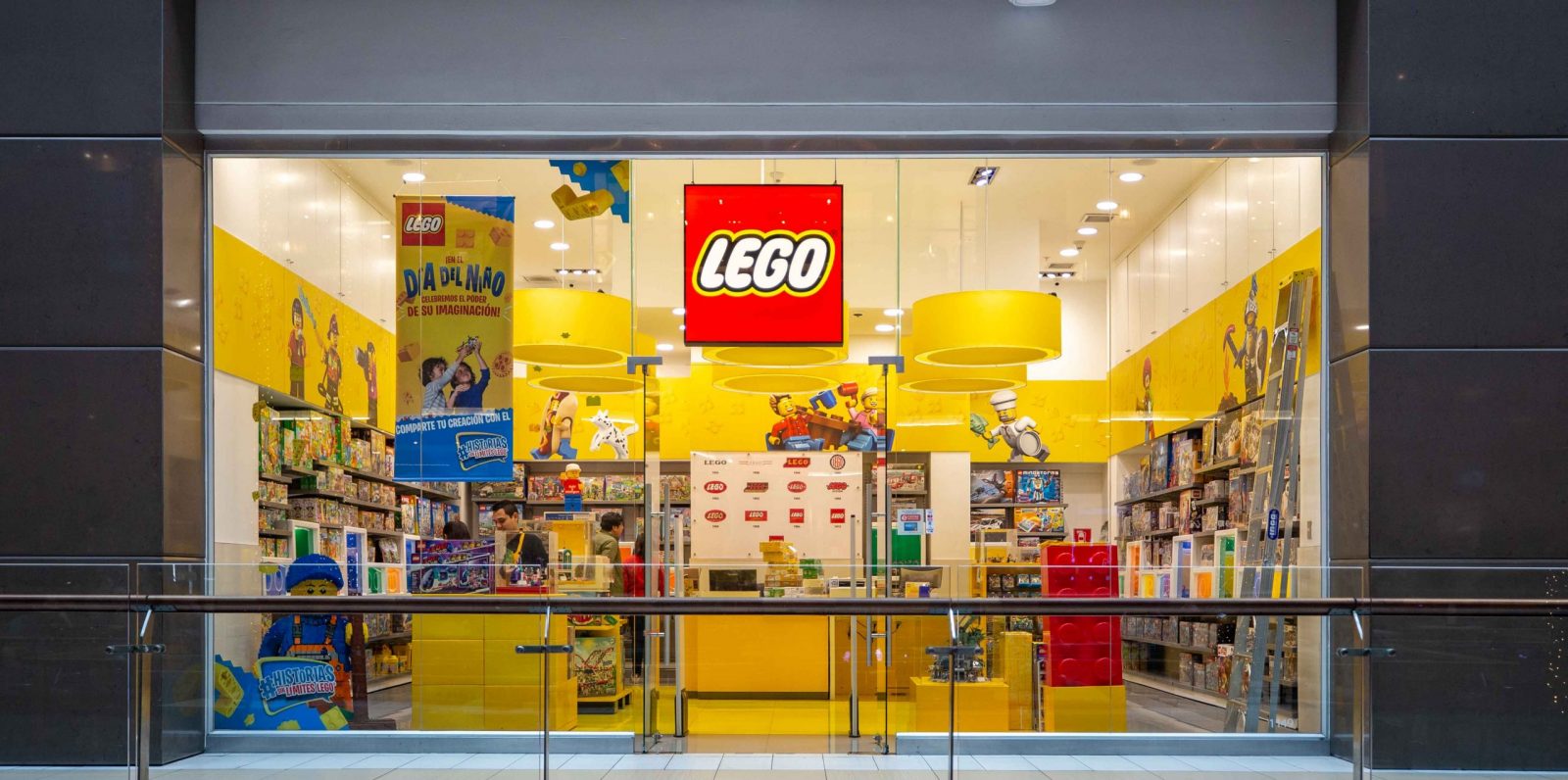
Also, the considered decoration method can be attributed to the location of the company logo at key points. The logo must be visible. It should be located at the reception, in the customer area, etc.
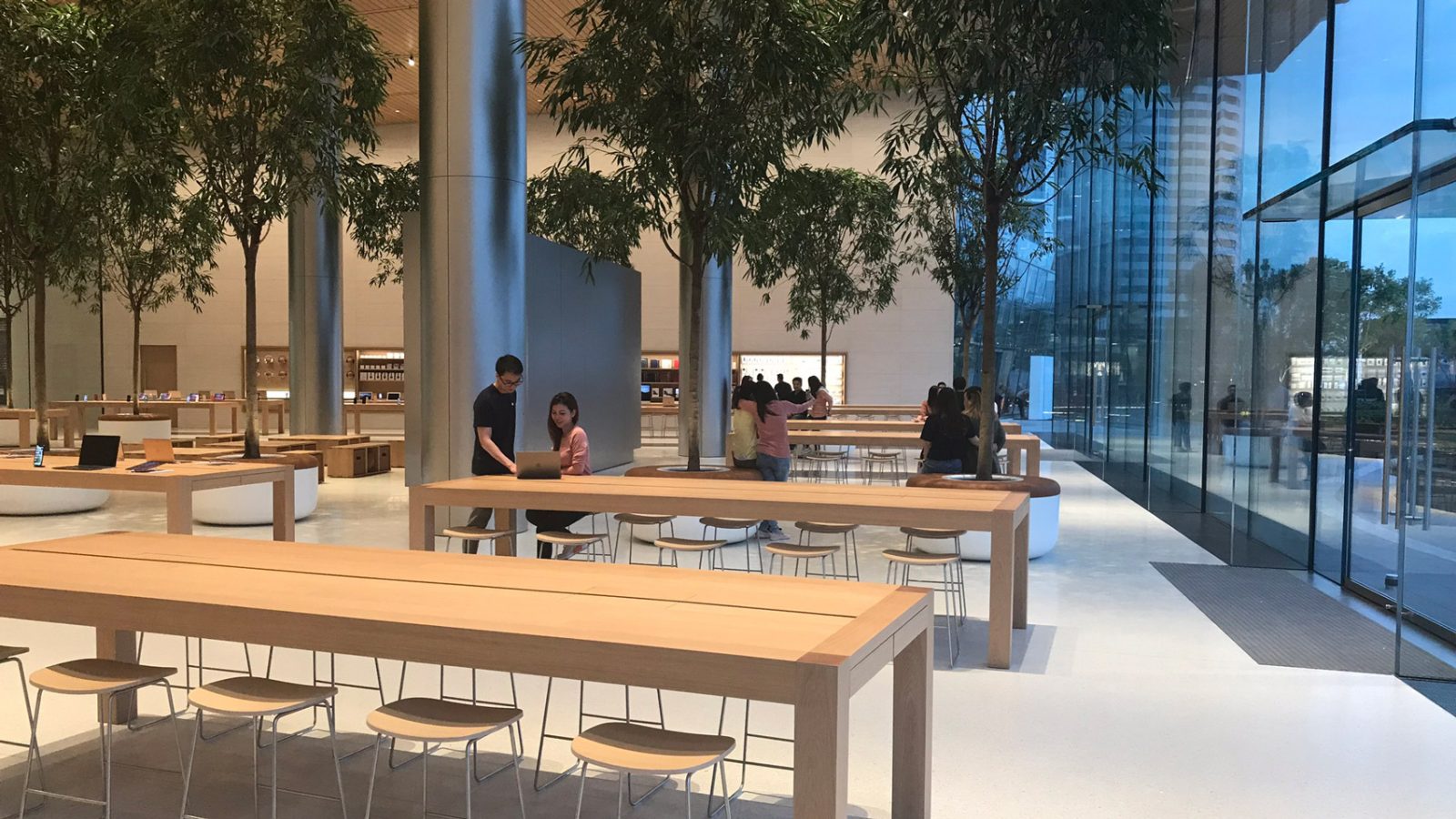
The Apple Iconsiam boutique, opened in 2018 in the capital of Thailand, Bangkok, can be considered a striking example of revealing the uniqueness of the brand in the interior. The designers have designed the store in such a way that the border between the interior and the green area outside is almost invisible. For example, trees are growing behind the glass facade of the shopping center, and the timber-clad roof is supported by only 4 columns in the central part of the hall, creating a pleasant feeling of spaciousness. The famous “bitten apple” is the main element that grabs the attention of the boutique’s visitors. Natural wood products are used as furniture, which are very similar in shape to the laptops of the American manufacturer.
Geometric shapes in interiors
Revealing the uniqueness of the brand can also be done through the use of geometric shapes in the interior, which are associated with the brand. So, a striking example of stylization of recognizable features of the world famous German automaker can be the use of a three-pointed sharp star in the design of space. A recognizable star can be present in the performance of lamps, in the form of decorative elements of the ceiling, and even in the arrangement of furniture.

Interior inspired by brand archetype
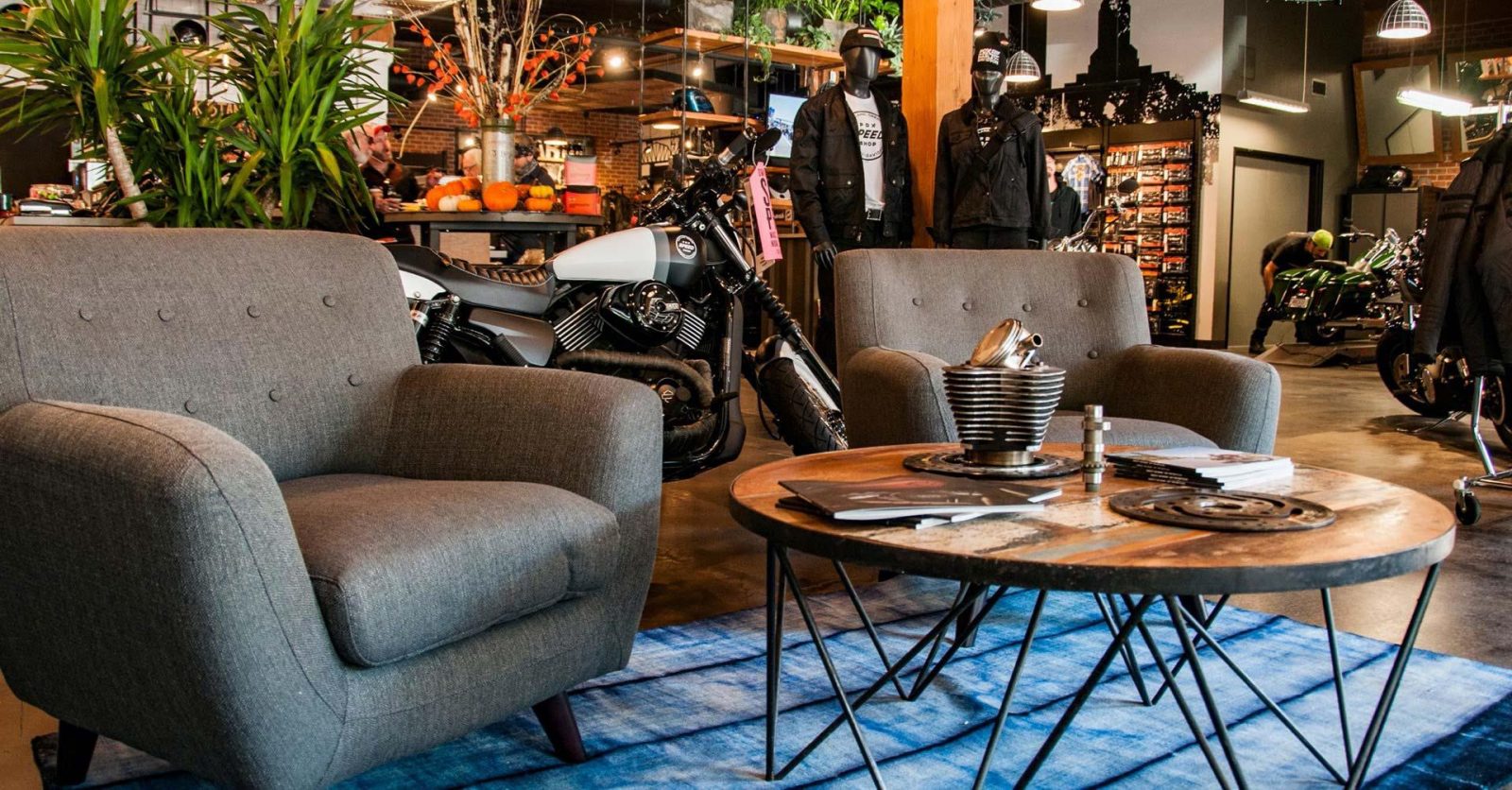
The technique involving the use of the brand archetype in interiors is considered the most difficult and deepest. Here, the designer needs to define the archetype of a particular enterprise and try to fully implement it. So, if the brand is a rebel, then it is necessary to use the elements of rebellion. In this case, the logic of the design can be broken by unexpected tricks. In such interiors, incompatible or difficult to combine colors are often used. If a brand belongs to the archetype of a researcher, then the interior must be systematized and clear structures must be traced in it.
In certain situations, for the full disclosure of the archetype, it is necessary to completely abandon the two methods described above. This method requires the designer to have sufficient knowledge and ability to think outside the box.