
2024-07-25
Cultural Catalysts: Unveiling Local Flavors in Office Design
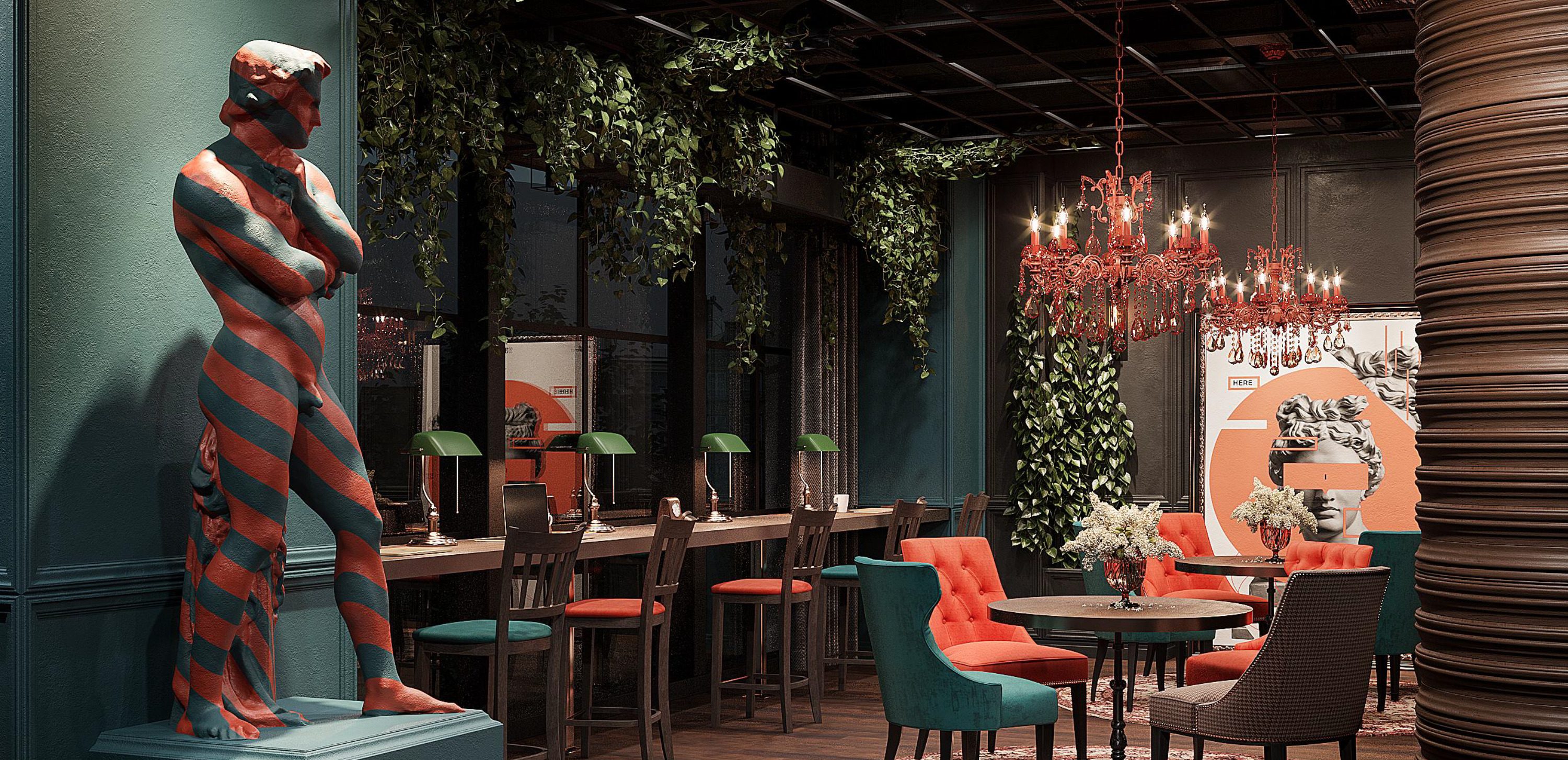
The trend of deep appreciation for one’s own culture and history is gaining momentum and strives to become an established norm in office design. It manifests itself in fashion, music, art, as well as in office interior design and architecture. The design of workspaces is no exception: a common client request when designing office space is to infuse the interior with the local identity of the city’s community. Incorporating elements of the local cultural landscape, appealing to local scenery, makes the office an integral part of the city in the consciousness of employees, partners, or clients.
Designing an office that authentically reflects local culture and city peculiarities is a thoughtful process that involves a combination of architectural, aesthetic, and cultural considerations. Leading designer Ihor Yashyn from ZIKZAK Architects shares key steps to achieve this goal when designing office space.

Cultural Immersion
It is essential to begin with a thorough exploration of the local culture, history, and unique characteristics of the city. Analyzing the values, traditions, and architectural styles that define the region will serve as the foundation for incorporating authentic elements into the office design.
Architectural Integration
Architectural elements inspired by the aesthetics of the city can be incorporated when you design an office. These elements draw inspiration from local landmarks, historical buildings, or traditional architectural styles. Adapting the design to complement the surrounding environment ensures an organic integration with the urban landscape.
Use of Local Materials
Utilizing materials characteristic of the region not only connects the office to its location but also contributes to sustainable development. Whether it’s reclaimed wood, local stone, or traditional construction materials, they emphasize the affinity of the space with its locale. Such natural local materials are environmentally friendly, and their short transportation distance reduces the carbon footprint. Integrating natural elements typical of the local landscape will enhance the desired concept in office designs. This could include greenery, local plants, or even water features that reflect the geographical attributes of the city.
Traditional Color Palette
It is advisable to favor a color palette inspired by local landscapes when you design an office. Consider hues that dominate the city’s architecture, nature, or traditional textiles.
Flexible Spaces for Local Events
Creating hybrid spaces within the office that can be used for hosting events, workshops, or local gatherings will reinforce corporate social responsibility and the company’s visibility within the community.

Employee Engagement
Encouraging employees to participate in the office design process fosters a sense of ownership and connection among team members. Gathering feedback on their preferences and incorporating elements that resonate with their experience of local culture contributes to achieving the set objectives in office interior design.
By carefully implementing these steps, the office can be transformed into a space that not only functions efficiently but also becomes a vibrant reflection of the unique culture and identity of the city. Such a workspace leaves a lasting impression on international clients, helps employees from different countries acclimate, and reinforces the company’s values and its corporate social responsibility.