
2021-04-12
How to combine three generations in a modern office
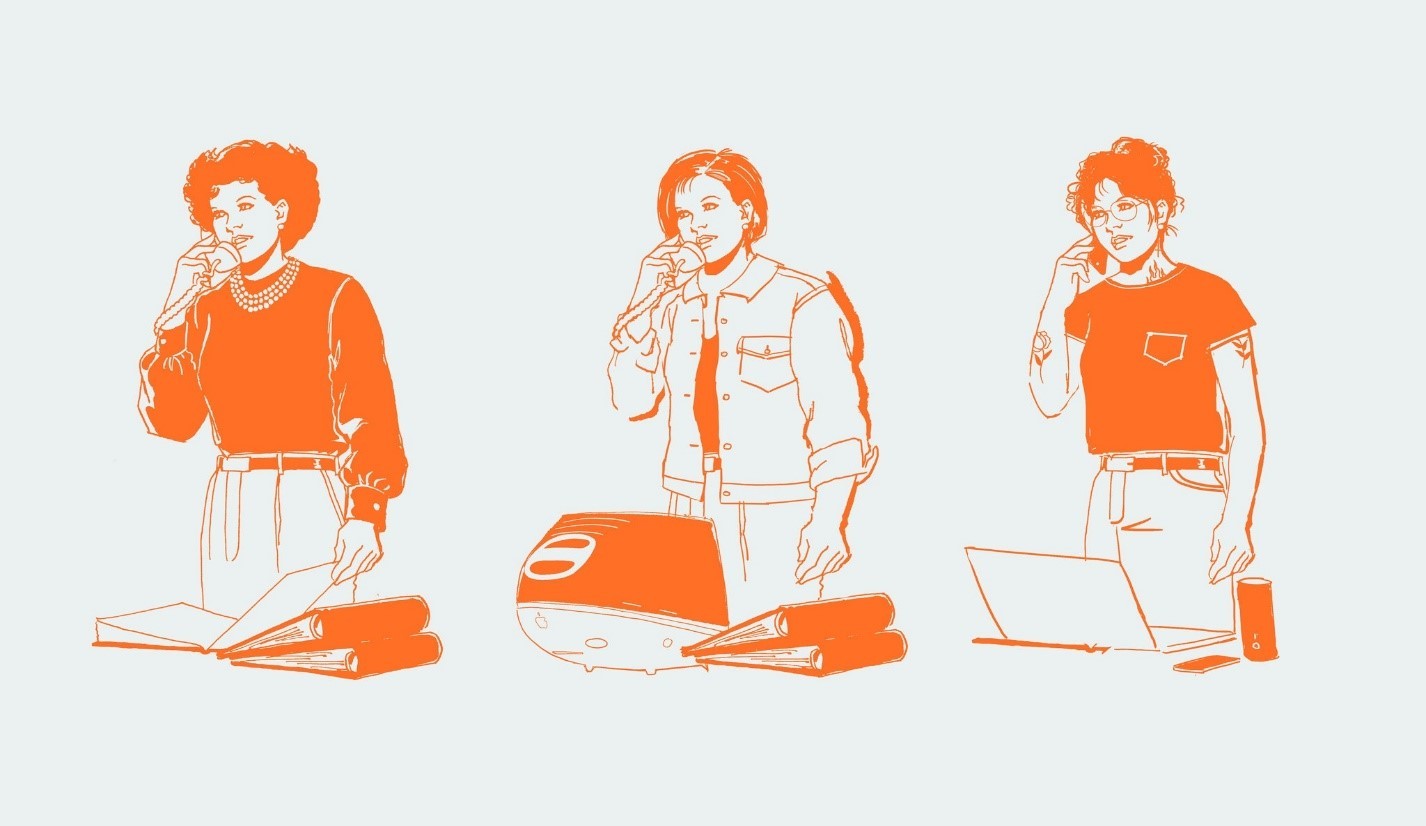
In 2020, the global workforce is projected to representmixture of different Generations: 35% of Generation X, 35% of Generation Y and 24% of Generation Z are all born and raised with different views and experiences in the fields of culture, economics, lifestyle and politics.
If, in terms of office design and culture, bridging these generational differences in the workplace seems like a big challenge, you’re right. With such a wide spectrum, making the entire “family” happy requires a thoughtful approach to both your office space and your office politics.
Let’s start by looking at each of the generations: their norms, experiences and motivations that can affect their work lives.
Generation X.1965-1980
This generation does not need to be controlled: they feel the time, are responsible, and quickly adapt. Conservatives at heart, but stubbornly mastering technological innovations. Feel corporate responsibility, help young people get used to the team.
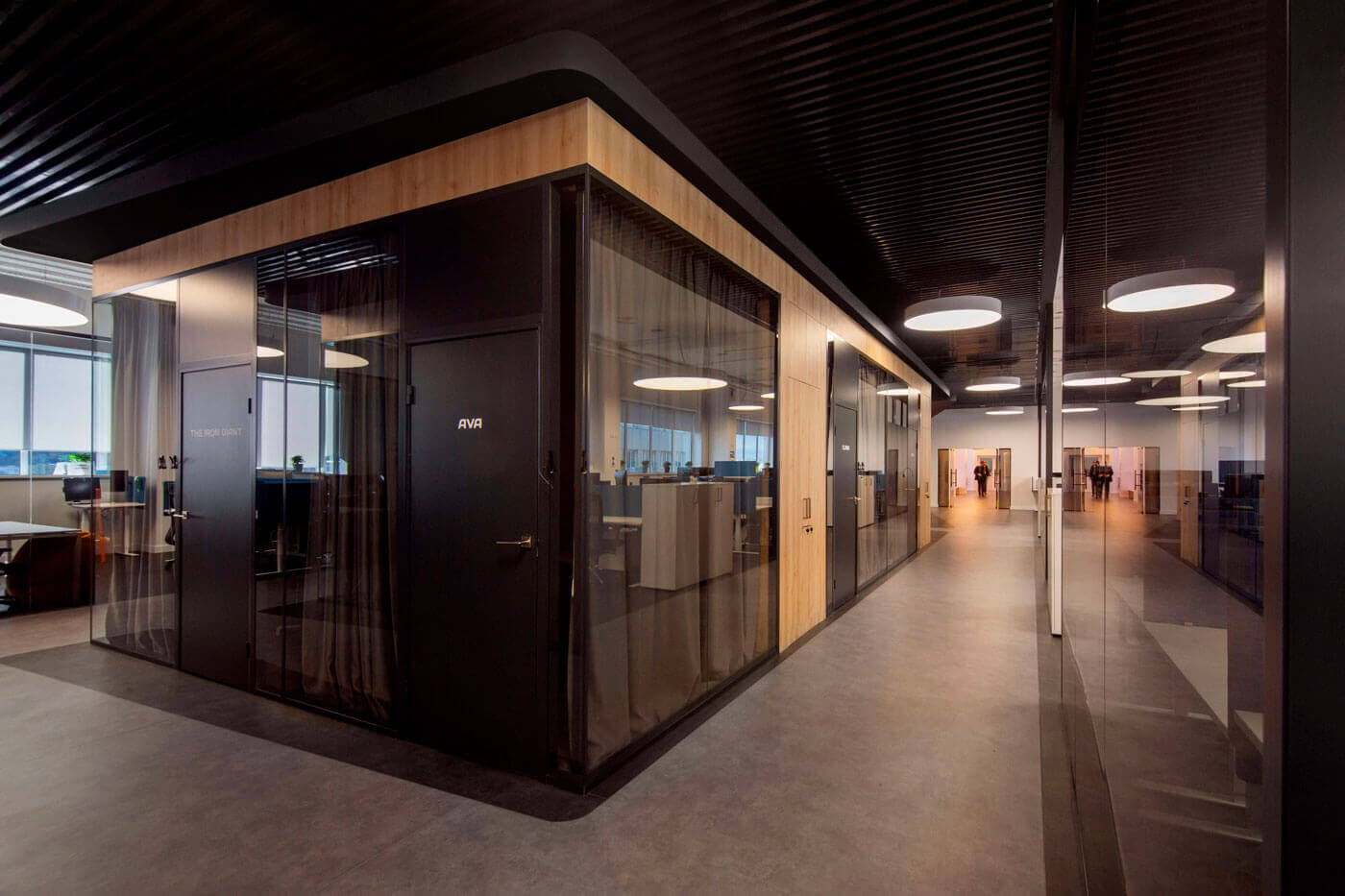
Comfortable office for generation X:
- a heated and air-conditioned room with natural light – this is really important to them;
- natural colors, natural shades of wood, grass, sand;
- prefer to work in quiet offices, either alone or for several people;
- feel discomfort in open space, manage to organize their own corner;
- feel free at a stationary PC;
- comfortable ergonomics of space is important: everything is at hand and in its place;
- as a relaxation zone, they will prefer a cafe, a winter garden, a massage chair.
Generation Y. 1981-1996
Generation Y value freedom of choice, status, financial independence, and extended social packages have been invented for them. They prefer a free work schedule, informal communication, change of projects.
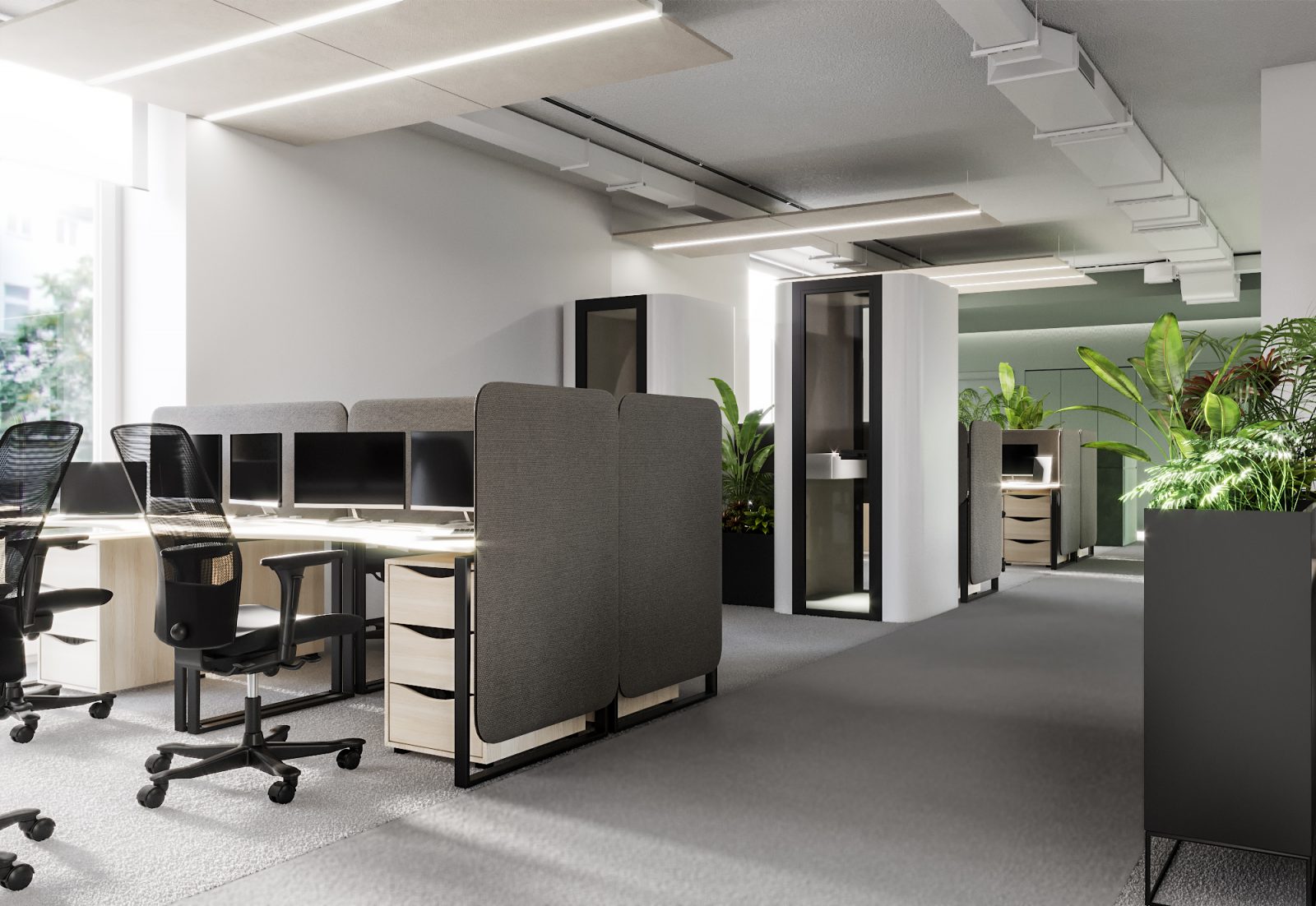
The symbiosis of work and play for Generation Y:
- easily switch to remote mode, can work on the road, on vacation and at home;
- need a change of scenery, prefer to change their place of work within the office depending on the project and mood;
- feel comfortable in open offices with clear zoning;
- appreciate transforming furniture elements and lighting;
- work on laptops, tablets and smartphones, need support for a stable Internet connection and chargers;
- climate control, showers, bicycle parking, kitchens and relaxation areas are perceived as an office standard;
- wide sofas, lounge music, video games, fitness, yoga are preferred as places of rest.
Generation Z 1997-2012
Children of globalization and freedom of intercontinental contacts. They easily change cities and countries, manage to work in several companies and on different projects at once. They are not afraid of responsibility, they are easily adaptable and quickly assimilate new information. They value money as an opportunity for self-expression and room for decision-making.
Generation Z keep at work is capable of an interesting project:
- open space is perceived as a hostile environment that distracts from the project;
- value personal contacts and communication, they are interested in discussing work issues in meeting rooms;
- they treat furniture in a utilitarian way, it is convenient for them at the table, in a frameless chair, on the floor;
- calmly perceive bright colors, love different lighting scenarios;
- worried about the protection of personal data, value privacy;
- clearly distinguish between personal and work time, instead of rest they prefer to leave the office or work on another project;
- they will be interested in the opportunity to go in for sports, growing plants, 3D puzzles, creativity, scientific experiments;
- will not give up the opportunity to sleep for half an hour in the sleeproom or relax in the silent room.
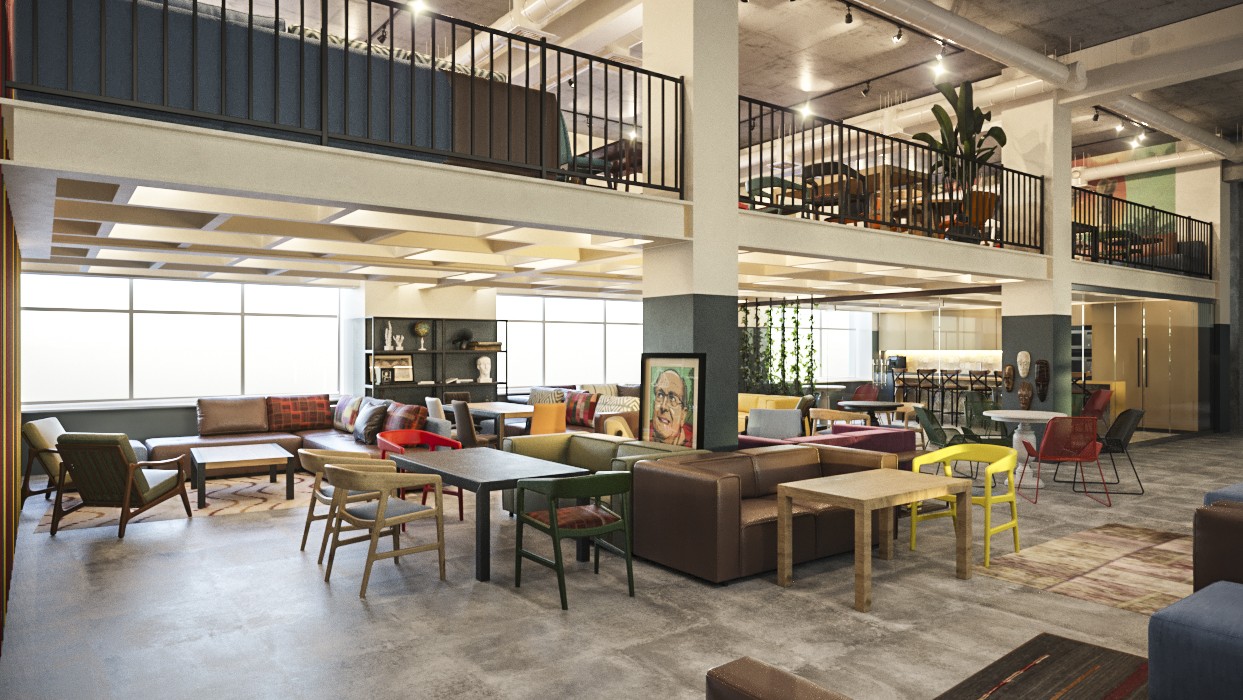
One office and three generations. How to organize a comfortable space for everyone
To remain successful in the future, developers, tenants and business owners (that is, all parties associated with office space) must adequately respond to all the wishes of generations. This is the only way the office can ensure comfortable work processes for all parties.
Having considered all the requests of generations, our own perceptions, research, articles and various media, we have identified five ideas for the office of the future.
1. Urban office
The office is located in or creates an urban environment. In the immediate vicinity there are various local amenities for daily and occasional needs. Restaurants, cafes and bars complement the urban environment. Thanks to its location and good transport links, the office can be quickly reached regardless of the chosen mode of transport.
2. Reliable and character
The office gives an idea of the company’s values and creates a sense of identity for the employees. This is expressed, in particular, in terms of technical, environmental, economic, socio-cultural and functional characteristics. Only if an employee can identify with property, space and workplace will they feel comfortable and be able to contribute creatively and be productive.
3. A digital office without borders for creativity
Digitization is a megatrend. Consequently, the office of the future also has extensive technical equipment. Thanks to modern cloud systems, employees can access the data they need from anywhere. Communication between employees is always possible regardless of their location in the office or outside. Thanks to digitization, the workplace is no longer a problem. Staff can work from anywhere, including a home office, coworking space, coffee shop, or park.
4. Multifunctional and flexible
Since the work is performed not only within the office, but also can be flexibly structured, the office will have more temporarily used space. Models such as desktop sharing are replacing the fixed workstation. There are quiet rooms for concentration on work, rooms for temporary project work or teams of different sizes, meeting rooms, rooms for telephone and video conferencing, as well as rooms for fitness, relaxation and bedrooms for mental and physical balance. Thus, the office can individually adapt to the different working methods of employees and offers optimal conditions for each stage of the project. This is important because standard workflows are highly automated and people are mostly creative and intelligent.
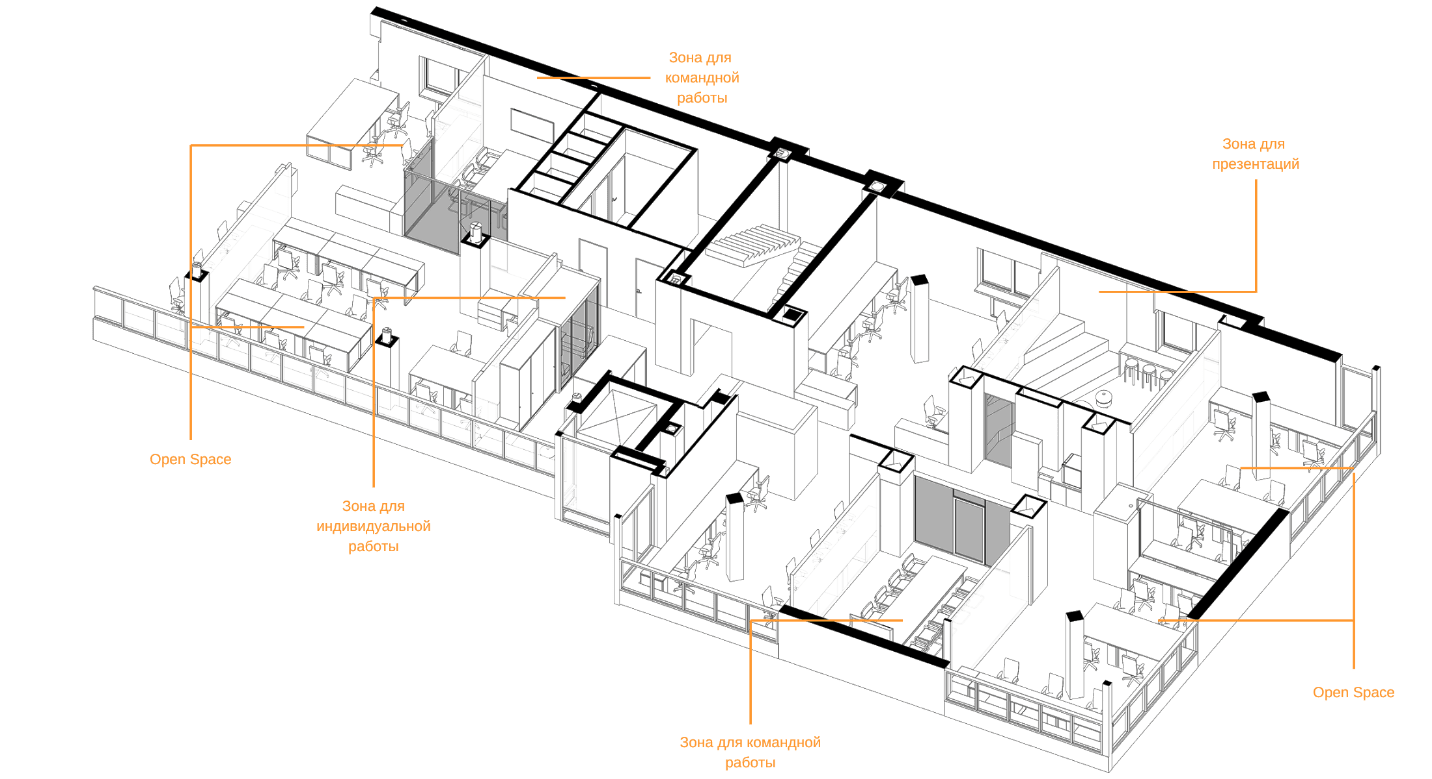
While it is difficult to create an age-independent office, you can give each employee their own individual workspace. We live in an era of flexible workplaces and modular systems. This can lead to increased talent loyalty, the development of a personalized corporate culture, and a happier and more creative workforce.
And do not forget: the Alpha generation is growing up. Zoom children, for them technology is as natural as breathing.