
2021-06-17
Ideal office space: top tips
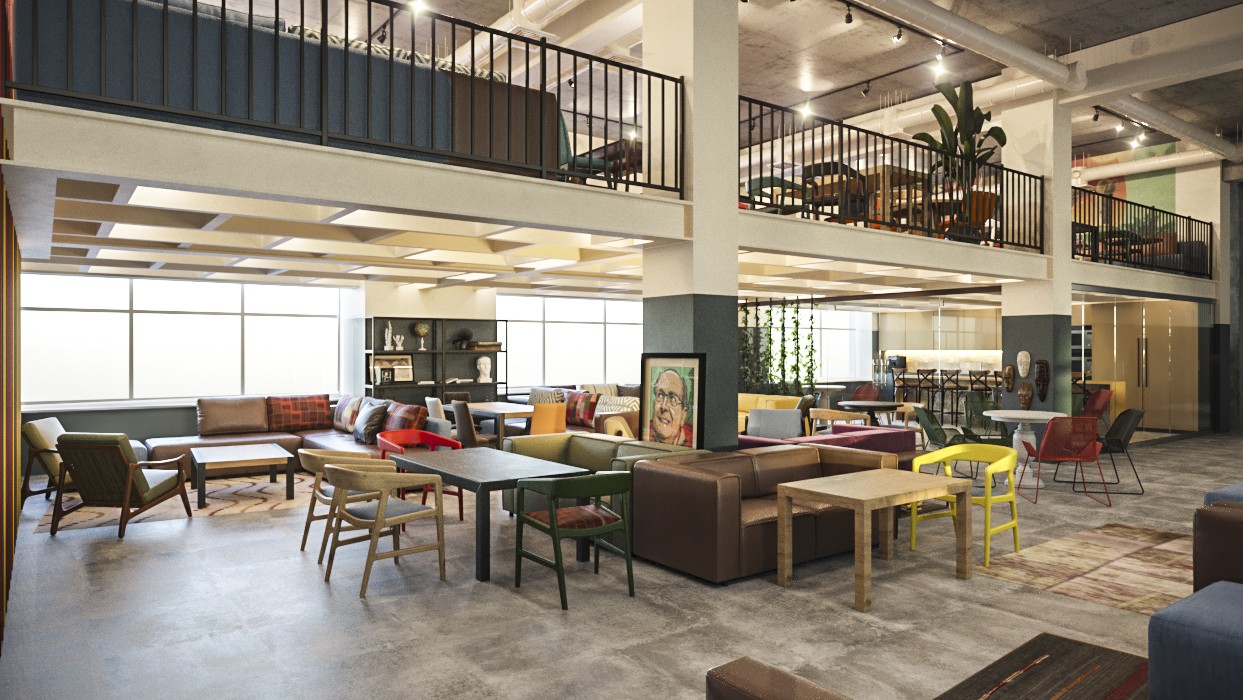
From time to time your office design needs updating. Sometimes you just need to add a few new elements, like new furniture or more inspiring artwork. In this case, there may be a survey of employees.
But when it’s time for some major upgrades—like redesigning the entire office layout—you’ll need more than just a survey.
To make sure you’re making the best design decisions for your modern office, there are four key questions to consider first.
Who are your employees?
Each of your employees is a unique person, with different motives and a different approach to their work. For example, some employees need a quiet environment to focus, while others do best in a collaborative environment. Assuming you have an even mix of introverts and extroverts, a fully open office can be too distracting for at least half of your staff.
There are also generational differences. Millennials tend to prefer a more flexible workplace, although there are a few trends that both millennials and older people should be aware of. When considering any new workplace design, it’s important to consider your workforce as a whole and how employees typically interact.
Before you update your interior design, think about how each department uses the space. Maybe the marketing team is always talking to each other throughout the day, having impromptu strategy meetings. Most likely, the sales department remains closed, mostly answering individual calls. The development team is somewhere in the middle – they usually exchange ideas, but also often work with their heads down and headphones.
These unique work styles will help you decide how many collaborative, quiet and hybrid spaces your office should have. The key is moving towards a flexible work environment that you can easily adapt as your business grows.
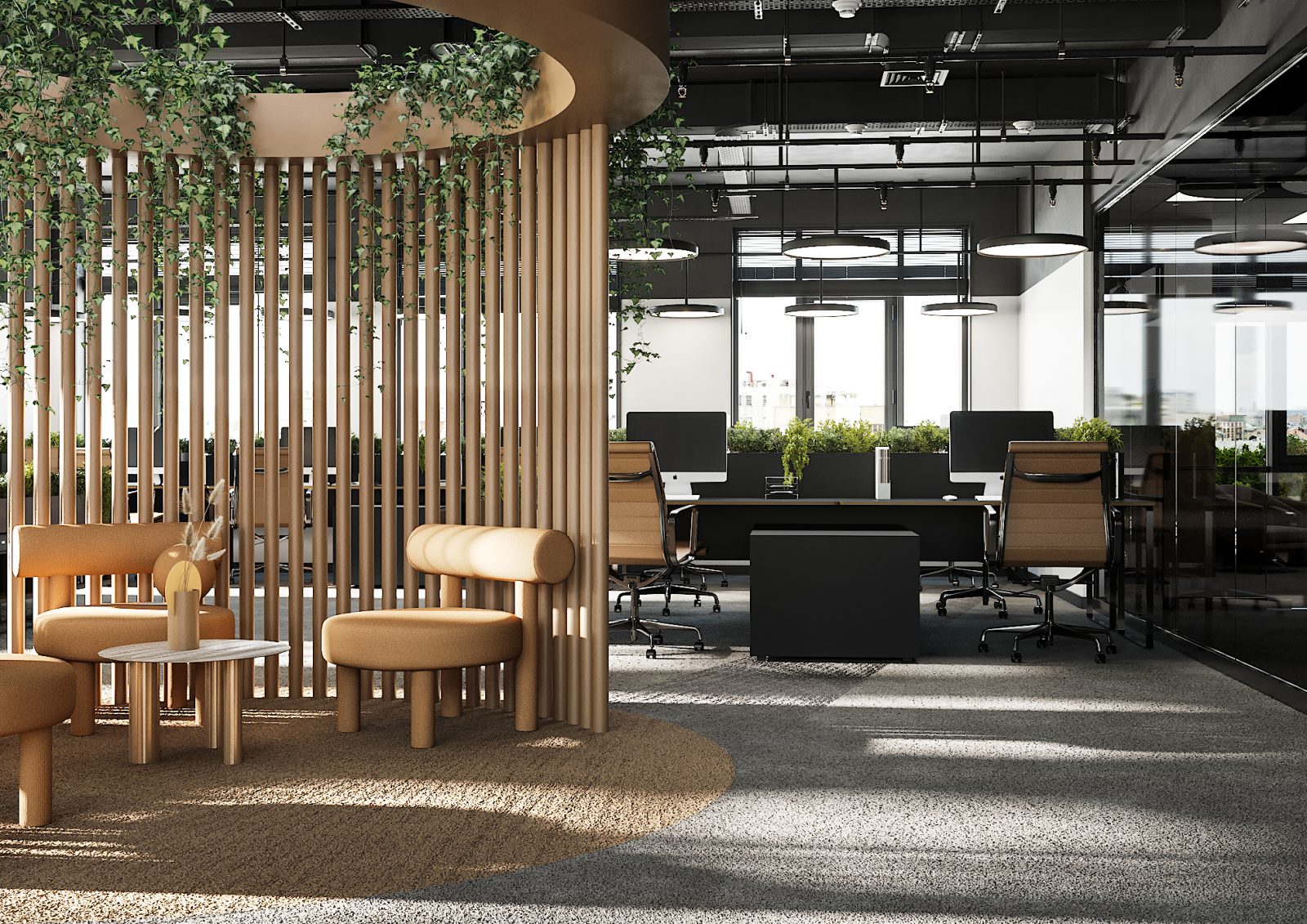
Modern office design: what impression do you want to make?
Not only your employees will see and interact with your workplace. Current clients, potential clients, partners and suppliers will visit your office. And everyone will form an opinion about your company in a matter of seconds after they walk in the door. It starts from the moment they register. Do they meet someone who guides them, or do they have to find their way on their own? Will they see a modern office or one that looks like it’s stuck in the 90s?
Think about what impression you want to make. Do you want to be called an innovator or a traditionalist? Creative or conservative? Your workplace is a tangible representation of your brand. It shows your employees and visitors what you value and how you feel about your work. Make sure your office design is in line with your organization’s mission and reflects your brand in a positive way.
What are your priorities in the office?
What do you want to achieve with workspace design? The performance boost is undoubtedly at the top of the list. But what are your other goals?
For example:
- Do you want to improve energy efficiency? Then you will need to install new technologies such as smart lighting systems.
- Do you want to encourage new ideas? Then you need to make sure that employees who are mentally stimulated in groups have space to collaborate, and employees who find inspiration in solo work have space to brainstorm on their own.
How you prioritize these will have a big impact on whether you have a highly collaborative office, a high-tech workspace, or a combination of both.
What are your practical requirements and space constraints?
It’s certainly great to have a grand, ultra-modern office design on paper. But you must be sure that any changes will make sense from a logistical point of view. Form should follow function, not the other way around.
Of course, you will consider structural aspects such as the location of doors and windows. But what about outlets, lighting, and wireless routers? A clean modern office instantly looks outdated with the addition of a few feet of extension cords.
You also need to keep in mind the future needs of the company. Your design needs to be scalable – in both directions. Company growth can look different in terms of staffing and space needs. The modern office must be able to adapt to future growth, while still keeping in mind that the way employees work is changing.
For example, our recent article on the growing trend in flexible offices found that more than 52 percent of employees want or already work from home at least once a week. If you have a remote work policy or plan to add one in the near future, there will be fewer people in the office on any given day. In this case, it might make more sense to move to a booking-based seating model rather than sticking to assigned seats.
The most important part of any office design strategy is not to bite off more than you can chew. It’s always easier (and cheaper) to fix small changes that didn’t work than to undo something big, like repairing broken walls.