
2021-11-16
Back to office. How the workspace can change for your employees
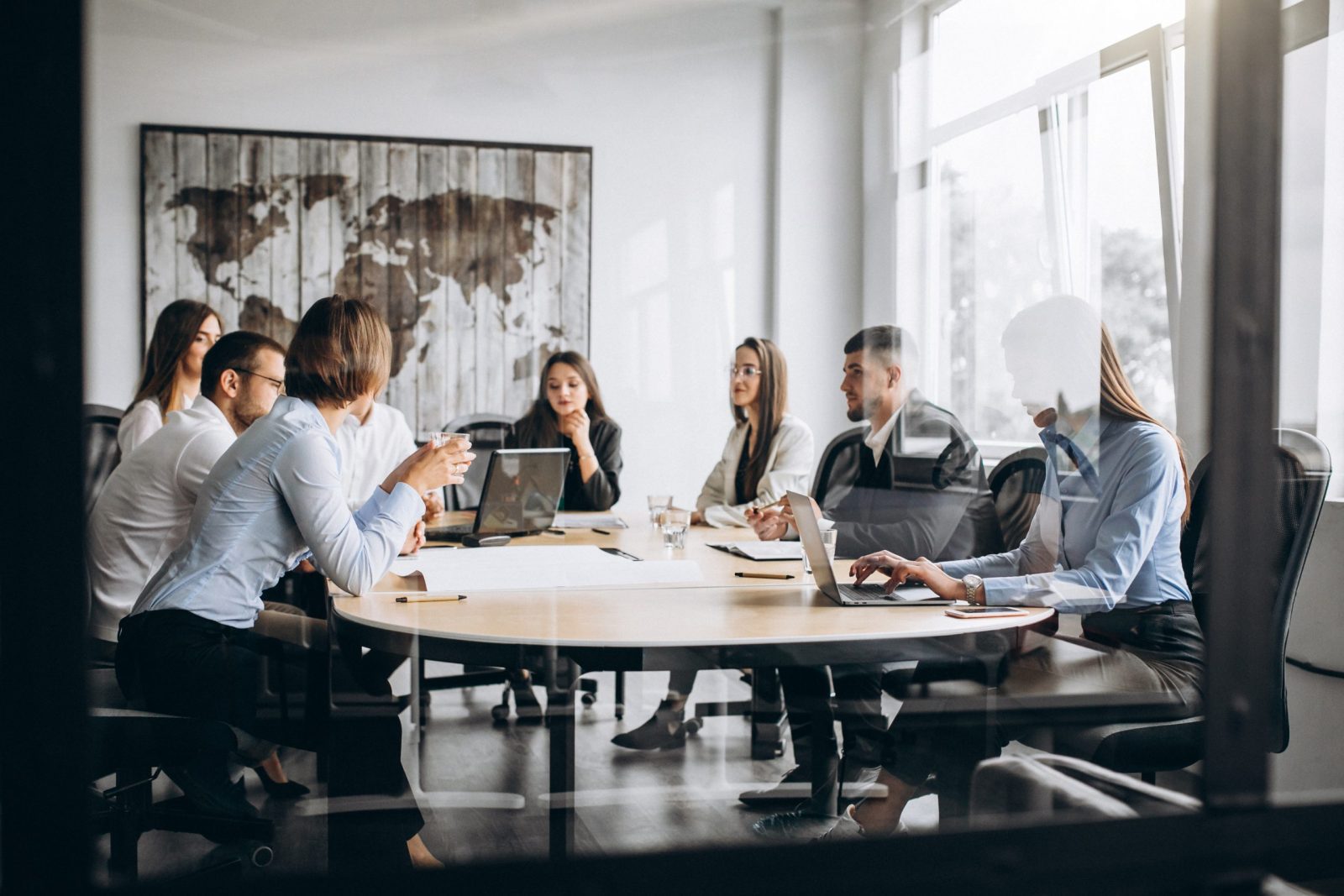
The shock of quarantine has already passed, business and employees have managed to evaluate the pros and cons of remote work and come to the conclusion that a return to the offices is inevitable.
One recent large-scale study by Morning Consult on behalf of The New York Times found that the majority of employees, 45%, want to work full-time in the office. 31% of those surveyed said they want to work remotely full-time and 24% chose the hybrid option.
Experts emphasize that in order to maintain business efficiency, managers cannot leave only the remote format, it is necessary to ensure the return of the team to the office.
This issue is especially acute for employees who do not have the conditions for an ideal home office and those who need face-to-face communication to be successful.
The tasks brought by COVID 19 have not left the agenda – management must ensure work in the conditions of quarantine uncertainty.
Each owner must find answers to many difficult questions. Is vaccination required to return to the office? How often to monitor the condition of employees who are in the office? How and where to provide regular testing for Covid for those who are not vaccinated (for various reasons), regardless of whether they work from home or in the office?
All these challenges must be taken into account when adapting office spaces.
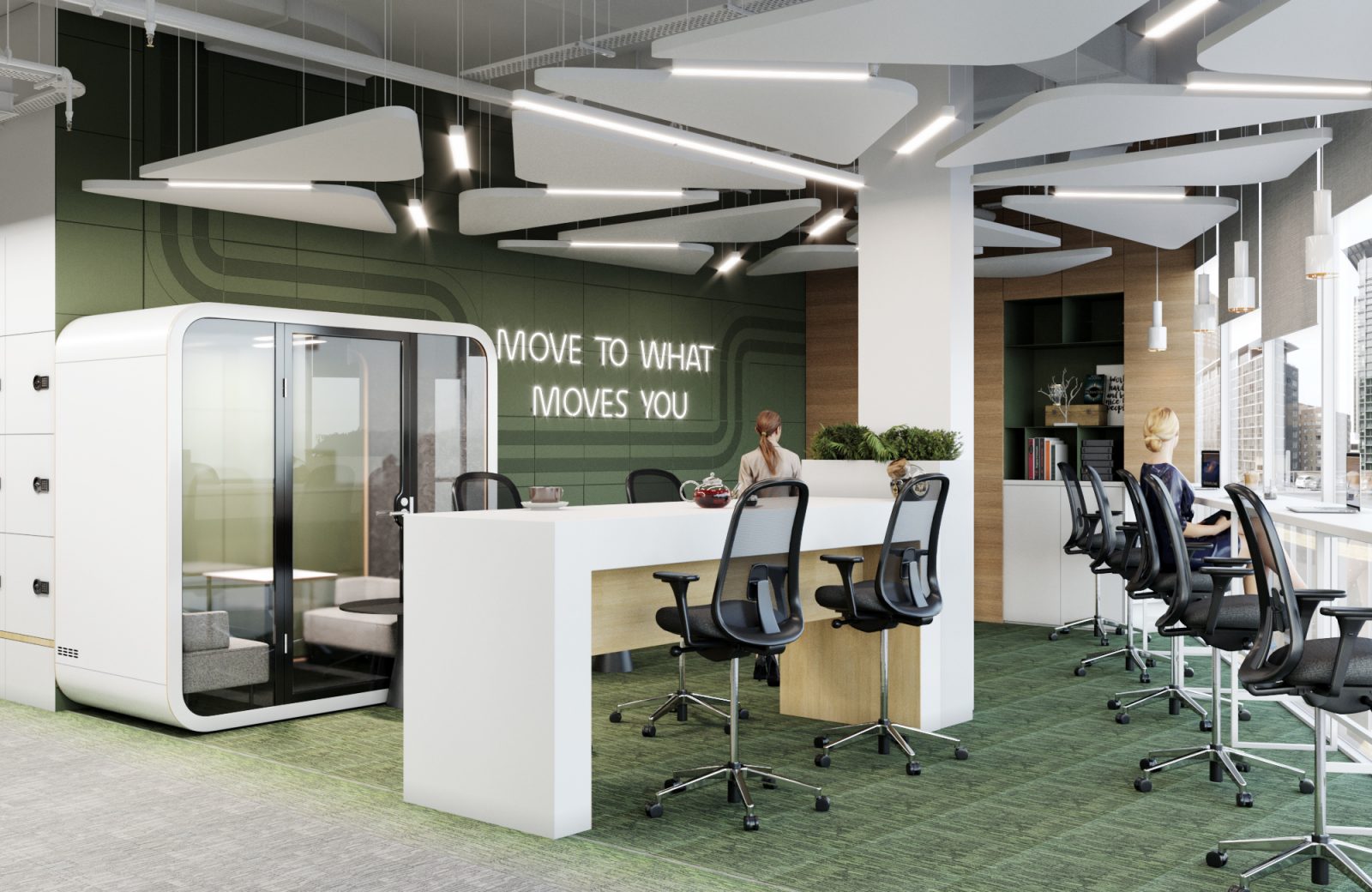
Safety. Anti-COVID measures have expanded this concept
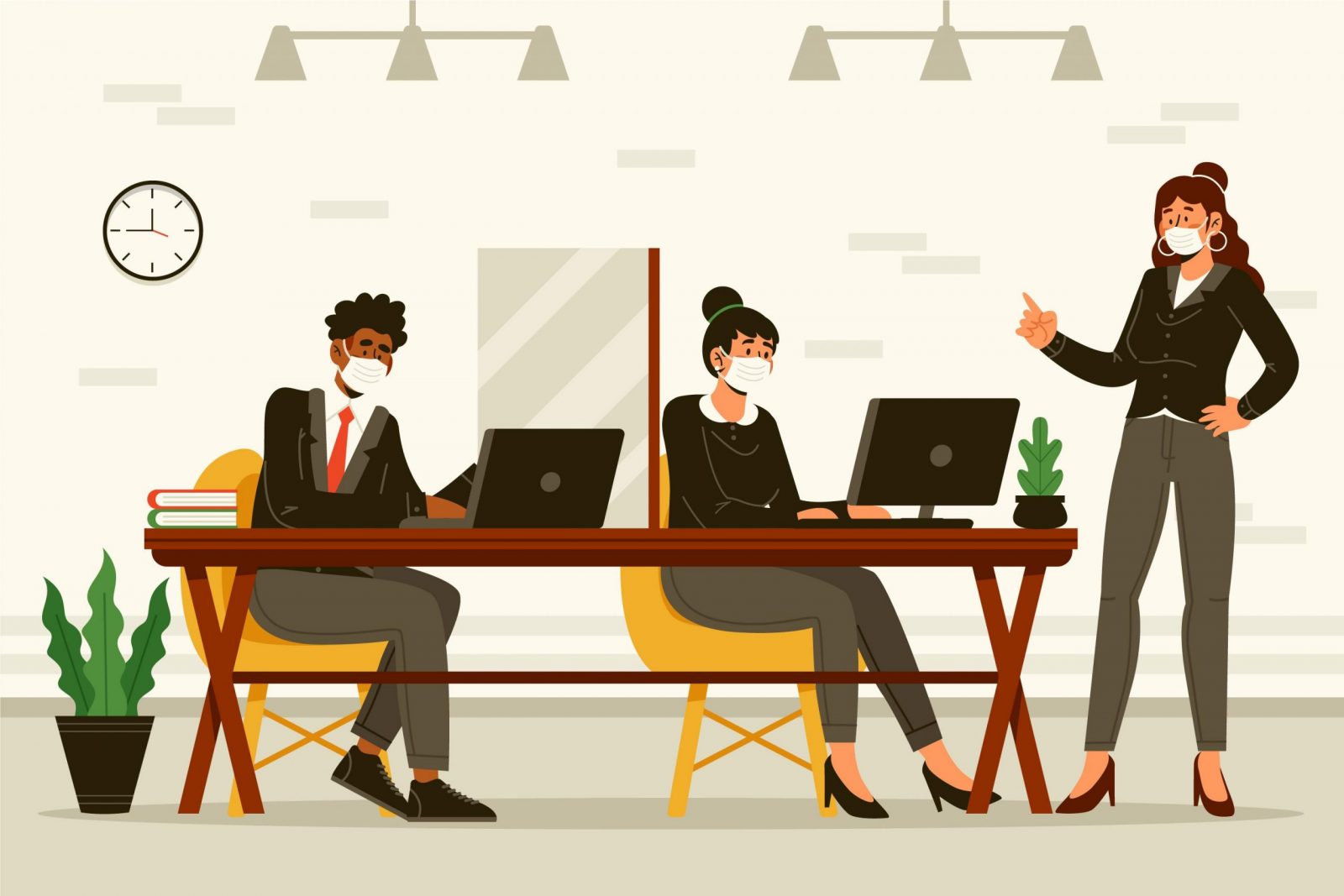
Many companies are forced to make changes to their offices to make their employees feel safer, and it’s not just about sanitizers and temperature measurement.
For example, they began to improve air circulation systems or move tables further apart to maintain distance. Others are moving away from static workspaces altogether and building more conference rooms and huddle rooms to accommodate employees who still work remotely but come into the office for meetings.
Whatever decisions are made, be it short-term changes (sanitiser, temperature screening, etc.), or long-term design updates (office remodeling, air purification, space zoning, etc.), the main thing is to put hygiene at the heart of work planning places.
Flexibility
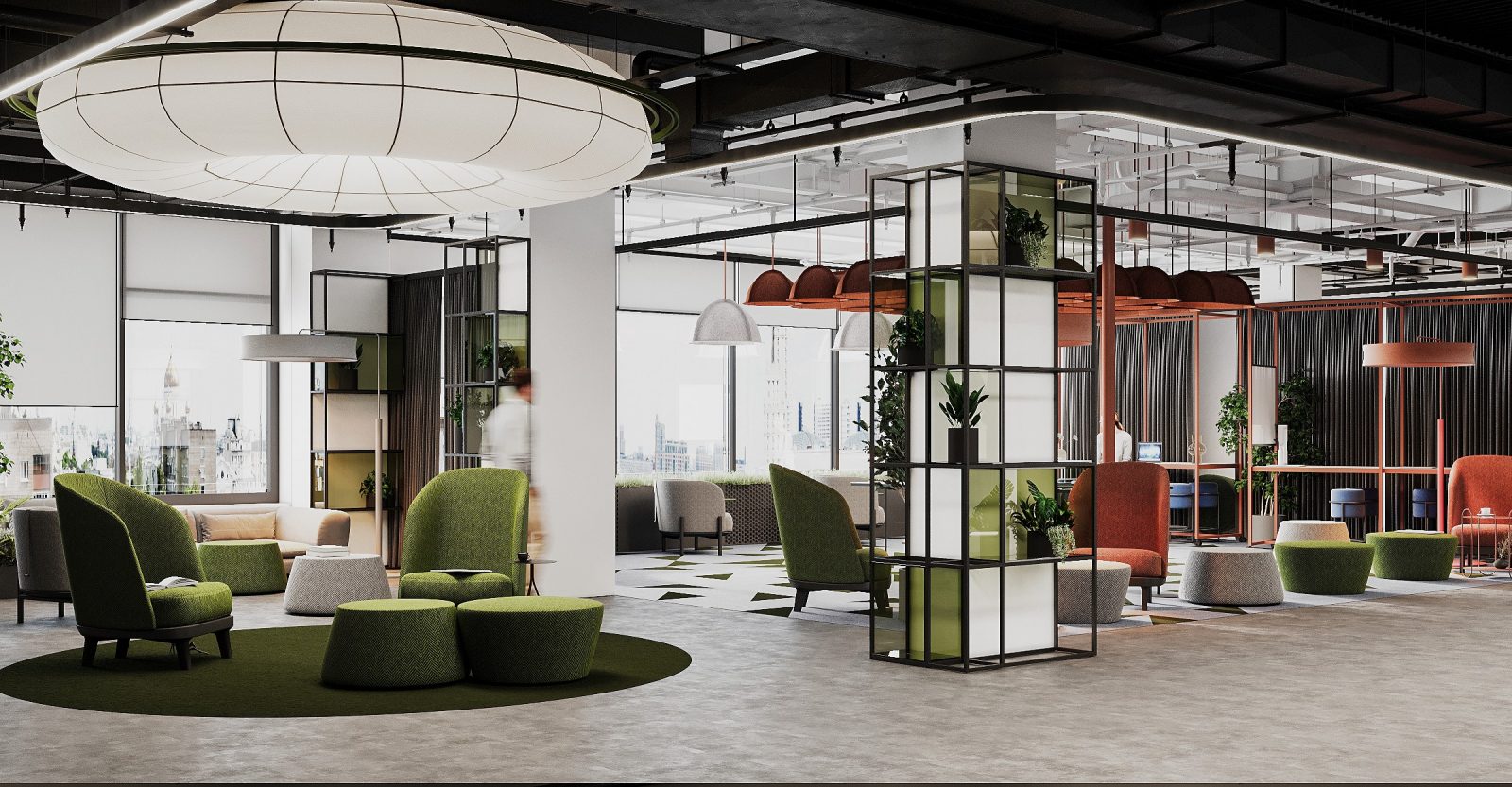
A flexible office creates a dynamic environment. We are talking, first of all, about the ability to transform and adapt to different teams and tasks.
Company growth can look different in terms of staffing and space needs. The modern office must be able to adapt to these changes, but keep in mind that the way employees work is changing and most companies have chosen a hybrid format, with some teams working in the office and some remotely.
Responsive design elements:
- A kitchen or dining room where employees can dine together in a comfortable space away from the rest of the office.
- Simple meeting rooms with few seats, video conferencing technology and interactive whiteboards for informal meetings.
- Collaboration zones for small teams and privacy.
- Meeting rooms with video conferencing technology for more formal meetings and employee training.
- Individual workplaces in the open space zone.
- Lounge area with comfortable sofas where employees can relax and unwind.
- Phone booths/skype-boxes where two employees can talk in private or just answer a private call.
- Quiet spaces/deep work – an area where employees can work calmly and focused on a project without being distracted.
- Visitor area.
Digitalization
While companies were caught off guard by the sudden introduction of workplace restrictions, many quickly identified vital steps that helped streamline office workflows and enable employees to continue their tasks efficiently.
Acoustic systems in areas for videoconferencing. With the departure of some teams to work remotely, a high-quality acoustic system has become a must to continue effective team work on projects.
Heat regulation, lighting control and air conditioning are the main components of office automation systems. Having these systems helps you have full control over every segment right at your fingertips, even from your smartphone.
Ergonomic tables are modern technological workstations aimed at improving the well-being of employees, thanks to the ability to adjust their height independently without the use of repair tools.
Interactive whiteboards are an amazing technological tool in the office. Since they can store and print any information that is written on them. The beauty of this technology is that notes taken during meetings can be saved without having to rewrite them from the whiteboard.
Online booking of workplaces and conference rooms. A technology that will help each employee book a workplace or meeting room at the touch of a button, or at least find another time when it will be free.
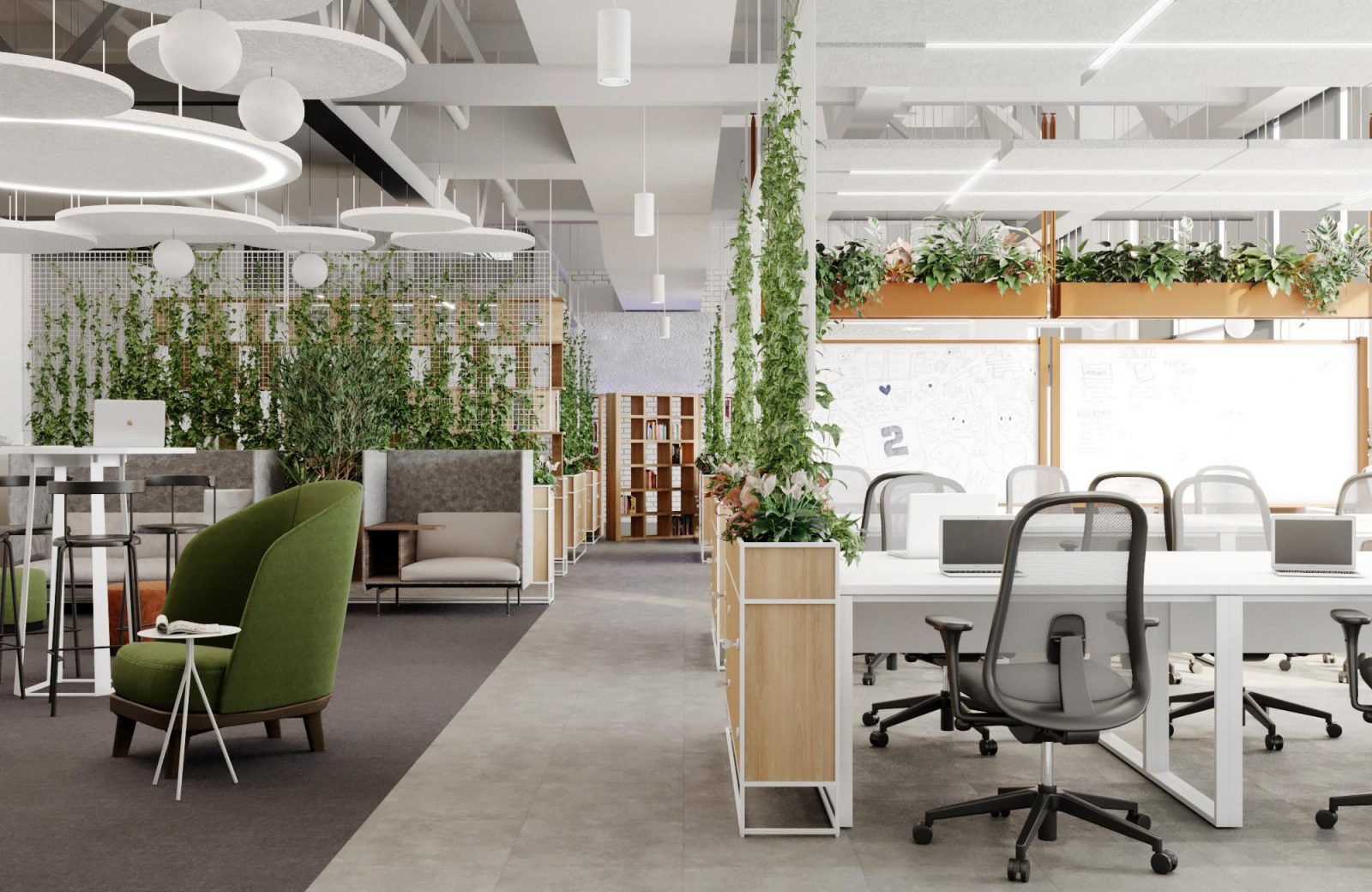
Maximum greenery, light and natural design
Incorporating natural shades and plants into the office environment is a show of support for employees from the moment they enter the office.
By incorporating biophilic elements into interior design, companies are investing in their employees as well as increasing productivity.
Employee retention is a constant problem for most companies. Creating an enabling environment is one way to subtly but effectively enhance corporate culture.
One way or another, quarantine did not bring these trends, but only strengthened them. The modern office should be green and safe, smart and flexible.
Only modern innovative spaces can stimulate the creativity of employees and the desire to return to the office.